Why a Backyard Pavilion Guide Matters for Your Outdoor Living Space

A backyard pavilion guide helps you steer the essential decisions that transform unused outdoor space into a functional, beautiful sanctuary. Whether you’re planning a covered area for family dinners, creating poolside shade, or designing an outdoor kitchen, understanding your options ensures you make choices that last for generations.
Key Considerations When Planning Your Backyard Pavilion:
- Purpose – Define how you’ll use the space (entertaining, dining, relaxation)
- Size – Average pavilions are 11’x13′, but custom sizing suits your needs
- Style – Match your home’s architecture (Traditional, Modern, Rustic)
- Materials – Choose quality timber like Douglas Fir or Western Red Cedar
- Construction – Decide between DIY kits or professional installation
- Permits – Structures over 100-200 sq ft typically require approval
- Features – Plan for lighting, electricity, or integrated amenities
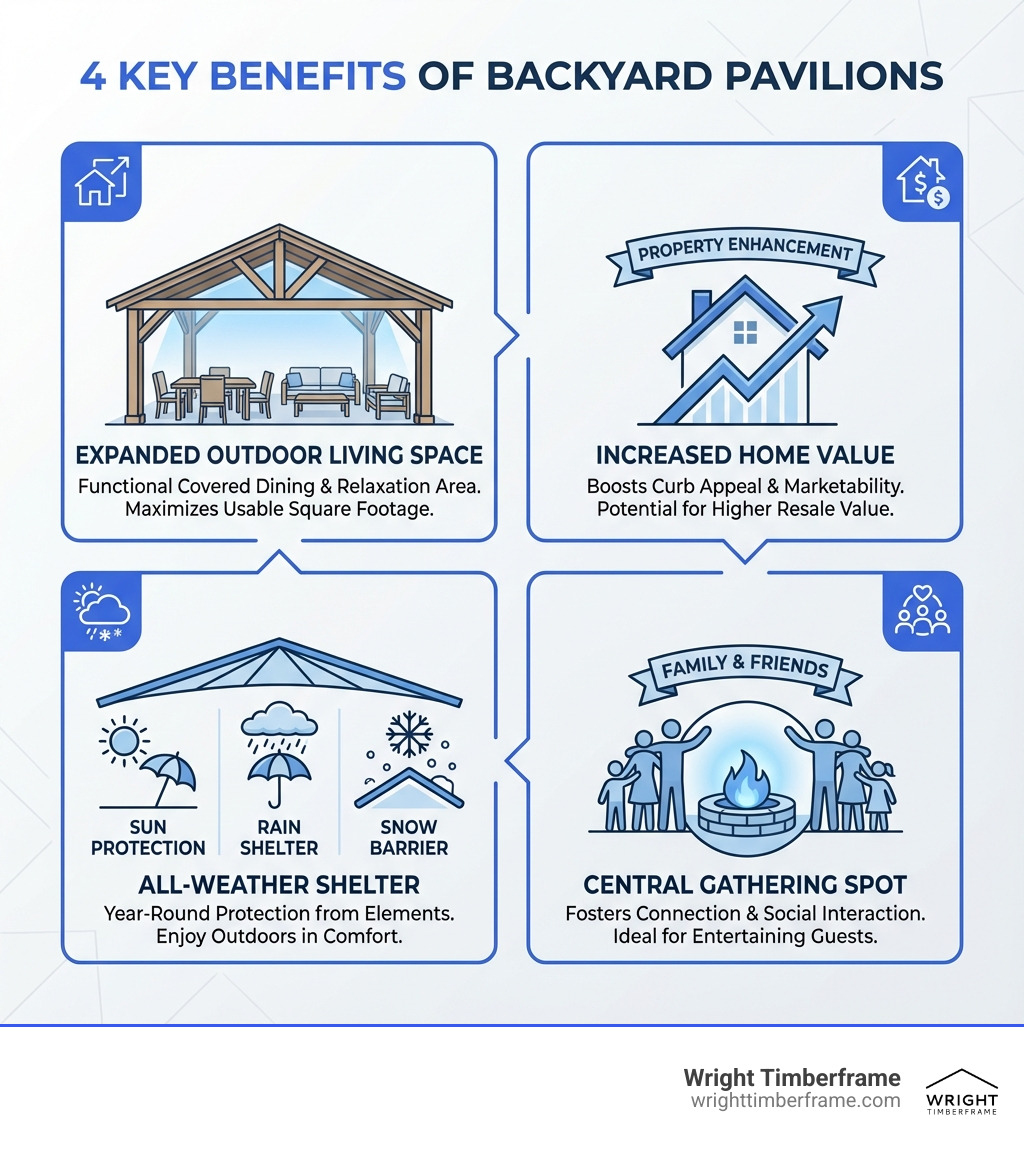
The right pavilion becomes more than an outdoor structure—it’s an extension of your home that increases property value, provides year-round shelter, and creates a natural gathering spot for decades to come. With traditional post-and-beam construction and quality materials, a well-built pavilion withstands Utah’s climate while maintaining its timeless appeal. Independent research from the National Association of Realtors’ Remodeling Impact Report: Outdoor Features also shows that thoughtfully designed outdoor projects can meaningfully improve curb appeal and homeowner enjoyment.
As local timber experts, we’ve helped countless homeowners across Utah steer every step of the backyard pavilion guide process. At Wright Timberframe, we focus on traditional mortise-and-tenon joinery and premium materials that create structures built to last for generations.
Step 1: Envisioning Your Outdoor Oasis with a Backyard Pavilion Guide
Before diving into blueprints and materials, the first step in our backyard pavilion guide is to envision how you’ll use this new outdoor space. What kind of outdoor happiness do you want to create? This initial dreaming phase is crucial for designing a pavilion that truly serves your lifestyle.
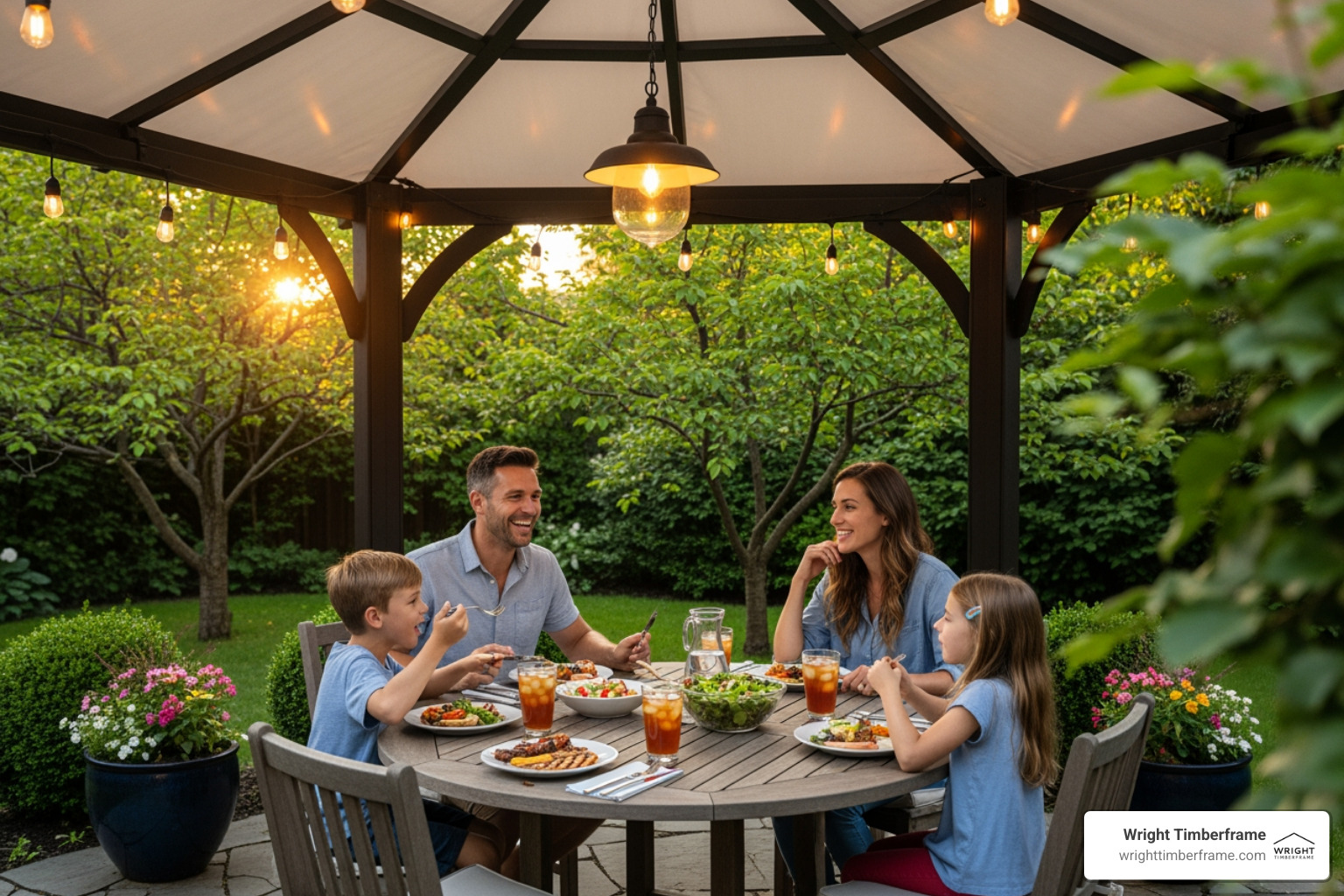
Our primary goal is to help you create a functional and inviting space. For many of our clients in Utah, a pavilion serves as the perfect setting for lively family gatherings, offering a comfortable spot for outdoor meals and conversations. Imagine the laughter echoing under the sturdy beams as you host a summer barbecue, shaded from the intense Utah sun.
Perhaps you envision a serene poolside retreat, providing much-needed shade from the glare and a cool spot to relax after a swim. Or, if you’re a culinary enthusiast, an outdoor kitchen under the protective roof of a pavilion can transform your backyard into an epicurean paradise, allowing you to cook and entertain al fresco regardless of the weather. For those seeking quiet solitude, a pavilion can become a peaceful haven for reading, meditation, or simply enjoying the natural beauty of your Utah landscape.
Once you’ve defined the purpose, determining the right size for your backyard pavilion comes next. The average pavilion size is often cited as 11’x13′, which can be a good starting point for many backyards. However, we encourage you to think about how many people you typically entertain and what furniture you plan to include. A 16×20 ft pavilion, for example, allows ample room for seating and dining furnishings, comfortably accommodating about 12 people even with furniture. For a more intimate feel, a 12×14 ft design might be perfect. We recommend using string or spray paint to mark out the projected size in your backyard, giving you a better sense of how the space will feel.
Choosing the right location is equally vital. Consider sun exposure throughout the day – where does the sun hit hardest, and where do you desire the most shade? Integrating your pavilion seamlessly with your existing landscape and home’s layout is key. A well-placed pavilion should improve your yard without creating issues for those around you, respecting privacy and views. Sometimes, placing it close to the house on a patio or deck creates a natural extension of your indoor living space, making access easy for dining and entertaining. Other times, a freestanding structure by the pool or nestled in a garden offers a distinct destination.
Matching Style to Your Home and Landscape
The aesthetic appeal of your backyard pavilion hinges on its architectural harmony with your existing home and landscape. A pavilion isn’t just a structure; it’s a statement. As local timber experts in Utah, we understand the importance of creating a cohesive look that complements your house style, whether it’s modern, rustic, or traditional.
For traditional homes, a classic wood pavilion often blends seamlessly, exuding elegance and timeless charm. Rustic homes, with their natural elements, might benefit from a rugged timber frame design that accentuates the raw beauty of wood. Modern homes, on the otherably, pair well with clean lines and contemporary finishes.
We offer various pavilion styles to suit diverse tastes and architectural designs. For instance, the Hampton style pavilion offers clean lines and modern finishes for a sleek outdoor aesthetic. A Grand Estate pavilion, with its spacious design and high-quality materials, exudes luxury and grandeur. If you prefer a cozy and rustic feel, an Alpine pavilion might be the perfect choice, incorporating natural wood elements to create a cabin-like atmosphere. Our Outdoor Pavilion Designs gallery showcases a wide array of options, helping you visualize the perfect fit for your Utah backyard.
The Ultimate Backyard Pavilion Guide to Construction & Materials
Building a lasting backyard pavilion requires careful consideration of its structural foundation: the framing and roofing. Our backyard pavilion guide emphasizes quality and craftsmanship, ensuring your outdoor sanctuary stands strong for generations.
Framing Techniques
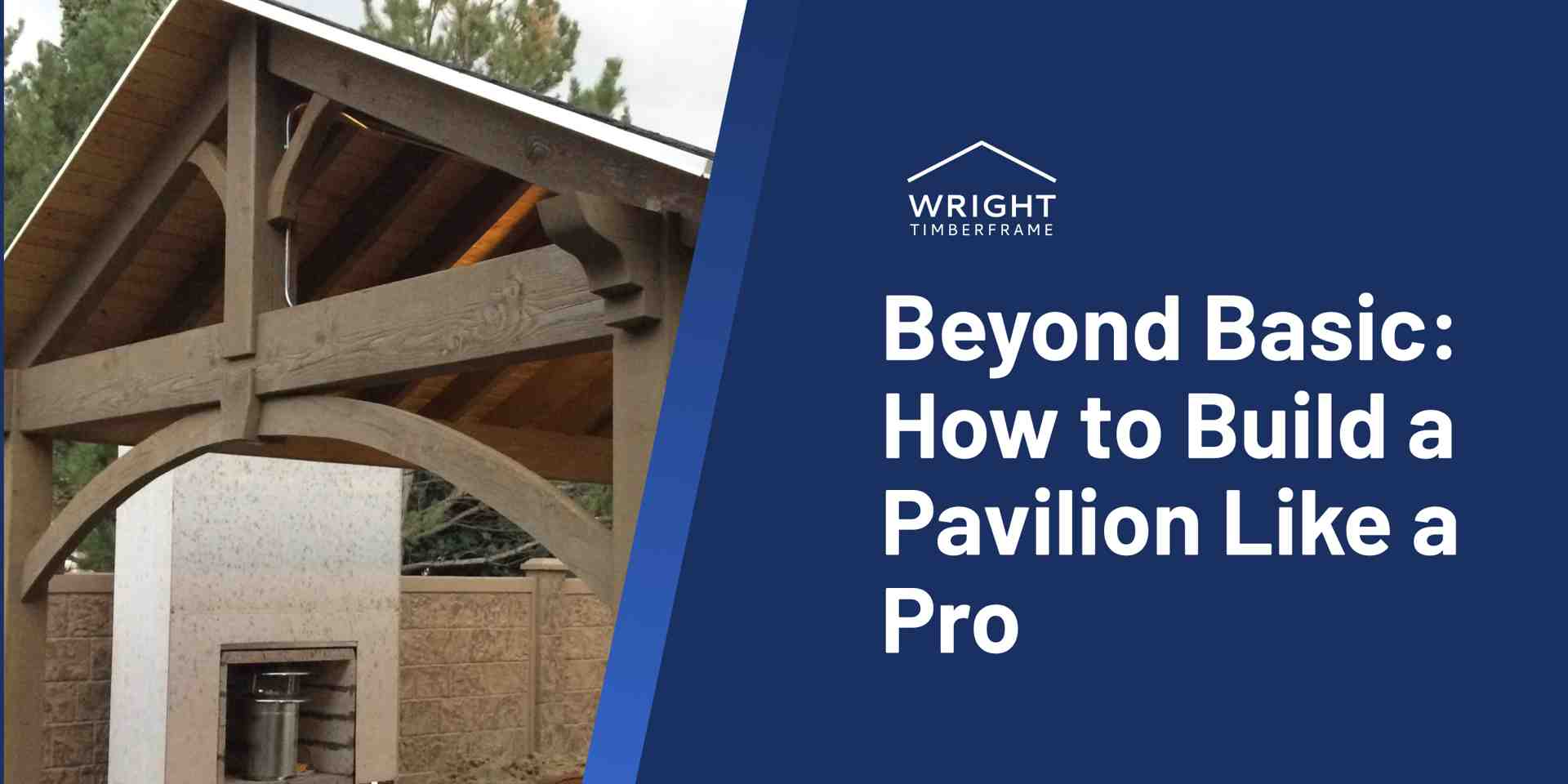
At Wright Timberframe, we pride ourselves on using time-honored framing techniques that ensure both the structural integrity and aesthetic beauty of your pavilion. The post-and-beam construction method is a cornerstone of our work. This technique uses large, heavy timbers for the vertical posts and horizontal beams, creating a robust framework. Unlike conventional stick-built structures that rely on numerous smaller pieces of lumber and metal fasteners, post-and-beam construction offers superior strength and a distinctive, open aesthetic.
For the connections, we employ traditional mortise and tenon joinery. This ancient woodworking technique involves cutting a tenon (a projection) into one piece of timber and a corresponding mortise (a hole or recess) into another. These two pieces then fit together snugly, often secured with wooden pegs. This method creates exceptionally strong and durable joints that can withstand the test of time and the elements, especially important in Utah’s varied climate. We also use dovetail joinery, known for its resistance to being pulled apart, adding another layer of strength and craftsmanship to our structures. These traditional joinery methods, combined with the natural strength of premium timbers, are a hallmark of our work, contributing to the lasting strength and timeless design of every pavilion we build.
Roofing Shapes, Slopes, and Materials
The roof of your pavilion is its primary shield against the elements, and its design impacts both performance and appearance. Common roofing shapes include:
- Gable Roof: This is a classic peaked roof, forming a triangle at each end. It offers excellent drainage for rain and can easily shed snow, making it a popular choice in Utah.
- Hip Roof: A hip roof slopes on all four sides, meeting at a ridge. This design is often considered more durable than a gable roof, especially in high-wind areas, as it presents less surface area for wind to catch. Some coastal construction codes even favor hip roofs with about a 30° slope for optimal wind performance.
- Flat or Shed Roof: Featuring a single slope, this modern option is simpler in design but requires careful consideration for drainage to prevent water pooling.
The roof slope is critical, particularly in Utah, where we experience both heavy snowfall and intense rain. A steeper slope, such as a 4:12 pitch (4 inches of rise for every 12 inches of horizontal run), allows rain to run off efficiently and snow to slide off once it begins to melt, reducing the load on your pavilion. This is vital for the long-term performance and safety of your structure.
When it comes to materials, we typically recommend options that are both durable and aesthetically pleasing:
- Asphalt Shingles: These are a cost-effective and traditional choice, offering good weather protection and a lifespan of 20-30 years. They come in a wide range of colors to match your home.
- Metal Roofing: Known for its exceptional durability and low maintenance, metal roofing can last 30-50+ years. It’s an excellent choice for shedding snow and is available in various profiles and colors, allowing for a striking visual statement. While some find the sound of rain on a metal roof charming, it’s something to consider.
- Polycarbonate Panels: These virtually unbreakable panels are ideal if you want to allow natural light into your pavilion while still providing shelter. Many come with 10+ year warranties against yellowing.
A Simple Backyard Pavilion Guide to Material Selection
Choosing the right materials is fundamental to the longevity and aesthetic appeal of your backyard pavilion. In this backyard pavilion guide, we focus on the natural beauty and resilience of wood, our specialty.
When considering wood options, it’s important to understand the benefits each type offers. For instance, pressure-treated lumber is an economical and durable choice, often costing around $1–$3 per linear foot for typical dimensions. It’s chemically treated to resist rot, decay, and insect damage, making it a reliable option for outdoor structures.
However, for those seeking premium quality and unparalleled beauty, we often recommend Douglas Fir and Western Red Cedar. Douglas Fir is renowned for its exceptional strength and stability, making it an ideal choice for the heavy timbers used in our post-and-beam construction. It’s a robust wood that can handle significant loads and adverse weather conditions. Western Red Cedar, on the other hand, is celebrated for its natural resistance to rot, decay, and insect infestation, thanks to its inherent oils. Cedar also boasts a stunning aesthetic, with rich, varied grain patterns and a beautiful aroma. While cedar can be 2-3 times the cost of pressure-treated pine, its natural durability and premium look often make it a worthwhile investment for a timeless design.
Comparing wood versus vinyl pavilions, wood offers a classic charm and a warm, natural appearance that complements any outdoor setting. It’s highly customizable with various stains and finishes, allowing you to achieve a specific look. Wood, especially premium timbers like Douglas Fir and Western Red Cedar, provides a high-end atmosphere and a sense of permanence. Vinyl, while low-maintenance and resistant to rot and insects, typically offers a sleeker, more modern aesthetic that might not suit all home styles. It’s a matter of preference: the natural texture and character of wood versus the uniform, minimal upkeep of vinyl. For us, the lasting strength and timeless design achieved with premium timbers and traditional joinery are paramount. Learn more about selecting the best wood for your project in our Choosing the Right Wood for Your Timber Frame Pavilion guide.
A Homeowner’s Backyard Pavilion Guide to Permits
Navigating permit requirements can seem daunting, but it’s a critical step in our backyard pavilion guide to ensure your project is compliant and hassle-free. In the U.S., a pavilion generally requires a building permit if it exceeds a certain size or is permanently installed. Commonly, structures under about 100 to 200 square feet are exempt from permits. However, this varies significantly by municipality. For example, some counties might allow a pavilion up to 120 sq ft without a permit, while others follow the International Residential Code (IRC), which exempts one-story detached structures up to 200 sq ft. Height restrictions, often around 10 or 12 feet, can also trigger permit requirements.
Beyond building permits, you’ll also need to consider local zoning rules and setbacks. Zoning ordinances dictate what types of structures can be built in certain areas, and setbacks define how far a structure must be from property lines. Typical residential setbacks for accessory structures might be around 5 feet from side yard boundaries and 10 feet from the rear. Additionally, if you live in a community with a Homeowners Association (HOA), you’ll likely need their approval before starting any construction.
To steer this process, we always recommend contacting your local building authority in Utah early in your planning. They can provide precise information on permit requirements, zoning regulations, and any specific codes unique to your area. Permit fees for a backyard pavilion are usually modest, often a flat fee in the range of $60 to $150 for small residential projects. Building without a required permit can lead to stop-work orders, hefty fines, or even an order to dismantle the structure – it’s simply not worth the risk.
Bringing Your Pavilion to Life: Installation & Improvements
With your design finalized and permits in hand, the next step in our backyard pavilion guide is bringing your vision to life through construction. We offer flexibility in how your pavilion is installed, ensuring the best fit for your needs and budget.
DIY Kits vs. Professional Installation
For those who enjoy a hands-on approach, our pre-cut timber frame kits offer a user-friendly and efficient solution. These kits include everything you need: high-quality, precision-cut timbers, all necessary hardware, and detailed, step-by-step assembly instructions. We even pre-fit all components before shipping to ensure an easier installation experience. Many of our clients with basic carpentry skills, a few tools, and the help of a friend or two have successfully installed their timber pavilions in a weekend. This DIY option can significantly save on labor costs while still allowing you to build a structure of exceptional quality.
However, if you prefer to leave the heavy lifting to the experts, our professional craftsmanship team is available for installation. Our skilled builders, with years of experience in timber frame construction, will ensure your pavilion is erected safely, efficiently, and to the highest standards. This option provides peace of mind and guarantees a flawless finish, allowing you to sit back and watch your dream outdoor space take shape.
Enhancing Your Pavilion
Once the structure is in place, you can truly personalize your pavilion with various improvements to maximize its functionality and ambiance.
- Electricity, Lighting, and Fans: Running electricity to your pavilion opens up a world of possibilities. Install decorative lighting to extend usability into the evening hours, creating a warm and inviting glow. Ceiling fans can provide a refreshing breeze during hot Utah summers, making your pavilion comfortable even on the warmest days. We can even integrate our TimberVolt® Series, which provides aesthetically pleasing, self-contained units with GFI plugs and USB outlets, eliminating the need for unsightly conduits and reducing electrician costs.
- Outdoor Kitchens: For the ultimate entertaining space, consider incorporating an outdoor kitchen. Grills, counter space, and even refrigerators can be seamlessly integrated, turning your pavilion into a culinary hub for family and friends.
- Fireplaces or Fire Pits: A built-in fireplace or a cozy fire pit can lift the coziness and warmth of your pavilion, making it a perfect gathering spot on cooler evenings.
- Built-in Seating: Custom built-in benches can maximize seating capacity while maintaining a clean, integrated look.
These improvements not only boost your enjoyment of the outdoor space but can also significantly add value to your home. A well-designed and functional pavilion is a highly desirable feature for potential buyers, making it a smart investment in your property. Our galleries offer plenty of inspiration for how these features can transform your outdoor living.
Frequently Asked Questions about Backyard Pavilions
What’s the difference between a pavilion, a pergola, and a trellis?
A pavilion is an open-sided structure with a solid roof, perfect for shelter and gatherings. A pergola features an open roof with cross-beams for partial shade, while a trellis is a framework that supports climbing plants and can add privacy or visual interest.
How much does a backyard pavilion cost?
Costs vary based on size, materials, and design complexity. Simple timber frame kits start at a few thousand dollars, while custom, handcrafted pavilions are a larger investment that adds lasting value to your home.
How do I maintain a timber frame pavilion?
Regularly inspect the structure, clean the wood, and reapply a quality stain or sealant every few years. This helps protect the timber and maintain its natural beauty, especially in Utah’s climate.
Do I need a permit for my backyard pavilion?
Most areas require a permit for structures over a certain size, typically 100-200 square feet. Always check with your local building authority to ensure compliance with zoning and setback requirements.
Conclusion: Your Backyard Pavilion Guide to Building a Dream Sanctuary
Our backyard pavilion guide has walked you through the exciting journey of changing your outdoor space from vision to reality. From understanding the rich history of pavilions to envisioning your ideal outdoor oasis, determining the perfect size and style, and navigating the complexities of construction and permits, we hope you feel empowered to create a space that truly improves your life.
At Wright Timberframe, we believe in the enduring value of quality materials and expert craftsmanship. Our commitment to using premium timbers and traditional joinery, like mortise and tenon, ensures that every pavilion we build is a lifetime structure—a legacy that will be enjoyed by your family for generations. We are your local timber experts in Utah, dedicated to helping you create a functional and beautiful outdoor sanctuary that withstands our unique climate and reflects your personal style.
We invite you to explore our gallery of Backyard Pavilions for inspiration. When you’re ready to start designing your custom timber frame structure, contact us. Let’s build your dream sanctuary together.