Frequently Asked Questions
Can timber pavilion builders work with tight deadlines?
Timber pavilion builders can indeed work with tight deadlines. With effective planning and a skilled team, they can efficiently manage construction timelines while maintaining quality craftsmanship.
Can timber pavilion builders work with existing structures?
Timber pavilion builders can indeed work with existing structures. They often assess the current framework to ensure compatibility and enhance the overall design, allowing for seamless integration with your home or landscape.
Can timber pavilion builders create custom designs?
Timber pavilion builders can indeed create custom designs tailored to your specific needs and preferences. By collaborating closely with clients, they ensure that each pavilion reflects individual style and functional requirements.
Do timber pavilion builders offer consulting services?
Timber pavilion builders typically offer consulting services to guide homeowners through the design and construction process. This includes assistance with planning, material selection, and ensuring the project aligns with the homeowner's vision and budget.
Can timber pavilion builders incorporate sustainable features?
Timber pavilion builders can indeed incorporate sustainable features. By using responsibly sourced materials, energy-efficient designs, and eco-friendly finishes, they create structures that are both beautiful and environmentally conscious.
How do I find reliable timber pavilion builders near me?
Finding reliable timber pavilion builders near you involves researching local contractors, checking online reviews, and asking for recommendations from friends or family. Additionally, ensure they have experience with timber construction and request to see their past work.
What are the benefits of using timber for pavilion construction?
The benefits of using timber for pavilion construction include its natural aesthetic appeal, durability, and sustainability. Timber provides excellent insulation, is lightweight yet strong, and allows for versatile design options, making it an ideal choice for creating beautiful outdoor spaces.
Do timber pavilion builders offer installation services?
Timber pavilion builders typically offer installation services as part of their comprehensive solutions. This ensures that your pavilion is constructed with precision and adheres to the highest standards of craftsmanship.
What is the average cost of building a timber pavilion?
The average cost of building a timber pavilion typically ranges from $15,000 to $50,000, depending on factors such as size, materials, design complexity, and location.
How long does it take to build a timber pavilion?
The timeline for building a timber pavilion typically ranges from a few weeks to a couple of months, depending on design complexity, materials, and weather conditions. Wright Timberframe ensures efficient project management to meet your timeline needs.
What types of timber are commonly used for pavilion construction?
The types of timber commonly used for pavilion construction include cedar, redwood, and pressure-treated pine. These woods are favored for their durability, resistance to decay, and natural beauty, making them ideal for outdoor structures.
Can timber pavilion builders create pavilions for commercial use?
Timber pavilion builders can indeed create pavilions for commercial use. They specialize in designing and constructing durable, aesthetically pleasing structures suitable for various commercial applications such as outdoor dining areas, event spaces, and recreational facilities.
What certifications do timber pavilion builders usually hold?
Timber pavilion builders usually hold certifications such as the National Association of Home Builders (NAHB) designation and other local or state licensing credentials, ensuring they meet industry standards for quality and safety in construction.
What is the process of building a timber pavilion from scratch?
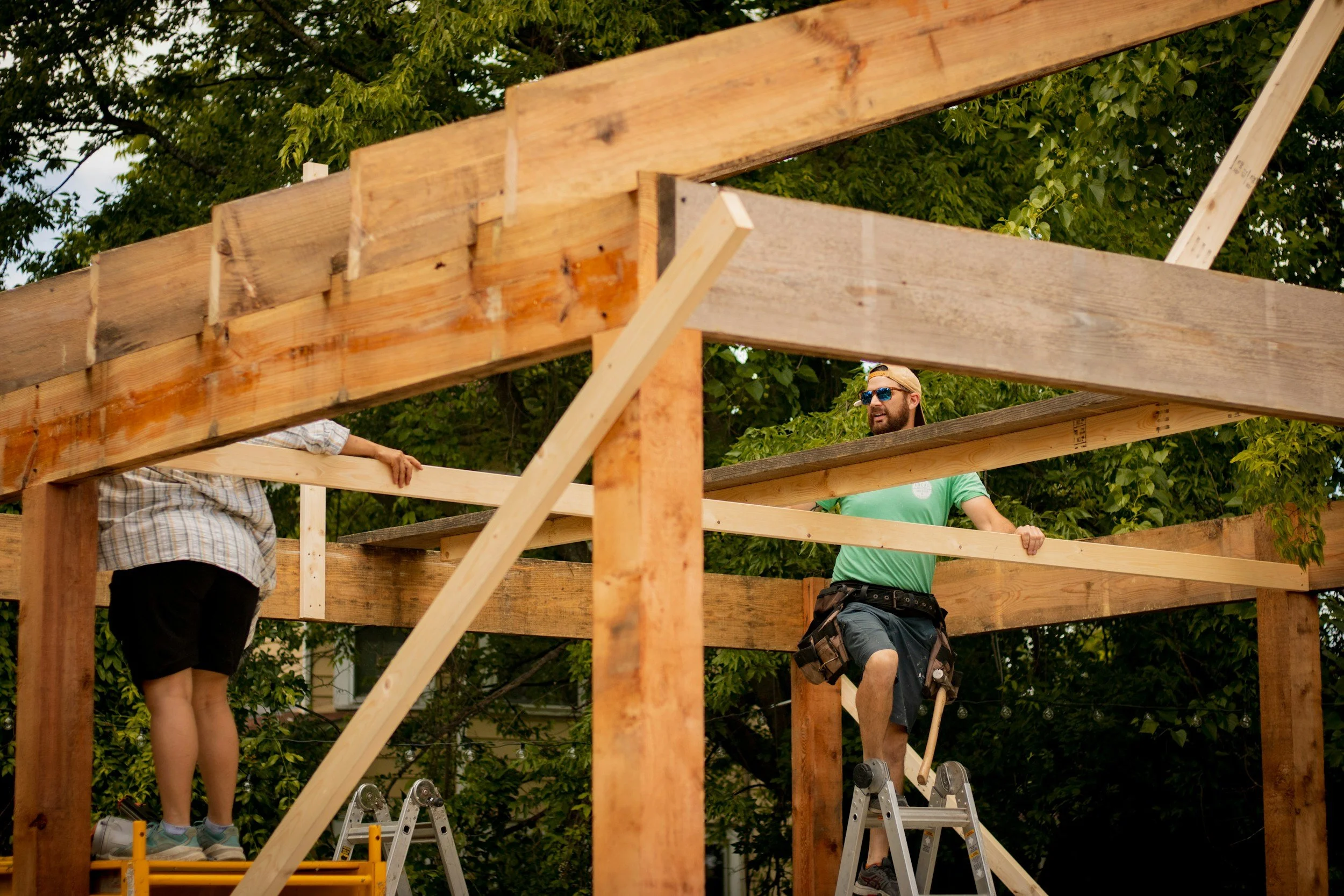
The process of building a timber pavilion from scratch involves several key steps: initial design and planning, obtaining necessary permits, selecting quality materials, constructing the foundation, framing the structure, and finally, adding finishing touches to ensure durability and aesthetic appeal.
What materials do timber pavilion builders typically use?
Timber pavilion builders typically use high-quality wood species such as cedar, redwood, and pressure-treated lumber for durability and aesthetics. Additionally, they may incorporate metal hardware and roofing materials to enhance structural integrity and weather resistance.
Do timber pavilion builders provide warranties for their work?
Timber pavilion builders typically provide warranties for their work. These warranties ensure that any defects in craftsmanship or materials are addressed, offering homeowners peace of mind regarding the durability and quality of their pavilion.
What is the process of designing a timber pavilion?
The process of designing a timber pavilion involves several key steps: assessing your needs, selecting the right materials, creating detailed plans, and collaborating with skilled craftsmen to ensure quality construction and aesthetic appeal.
How do timber pavilion builders ensure structural integrity?
Timber pavilion builders ensure structural integrity by utilizing high-quality materials, adhering to engineering standards, conducting thorough site assessments, and implementing precise construction techniques. This meticulous approach guarantees that the pavilion is safe, durable, and able to withstand environmental stresses.
Can timber pavilion builders create eco-friendly structures?
Timber pavilion builders can indeed create eco-friendly structures. By using sustainably sourced wood and environmentally friendly materials, they can design pavilions that minimize environmental impact while providing durable and beautiful outdoor spaces.
Do timber pavilion builders provide maintenance services?
Timber pavilion builders often offer maintenance services to ensure the longevity and integrity of your structure. Regular upkeep can include inspections, repairs, and preservation treatments to protect against weather and wear.