
Why Understanding the Difference Between Pergolas and Trellises Matters
When considering outdoor structures, pergola vs trellisdecisions often confuse homeowners who want to improve their outdoor spaces. Here’s the quick answer to help you understand the key differences:
Pergola:
- Large, open structure with posts and cross-beams.
- Provides shade and defines outdoor living areas.
- Can be freestanding or attached to buildings.
- Typically covers patios, walkways, or seating areas.
Trellis:
- Smaller lattice framework structure.
- Primarily supports climbing plants and vines.
- Can be attached to walls or freestanding.
- Focuses on plant support rather than human shelter.
As research shows, “many people don’t know the difference between different types of landscape structures,” and the confusion is understandable since these terms are often used interchangeably. Each structure serves distinct purposes in landscape design, from creating outdoor rooms to supporting climbing plants.
The choice between these structures depends on your primary goal: pergolas excel at creating defined outdoor living spaces with partial shade, while trellises focus on vertical plant support and garden aesthetics.

Pergola vs Trellis: A Detailed Comparison
Outdoor structures add charm and functionality to any property. Understanding the specific role and design of each, whether it’s a pergola or trellis, is key to making the right choice for your landscape. While they all improve outdoor spaces, their primary functions, aesthetic contributions, and design considerations vary significantly. Let’s dive deeper into each one.
The Pergola: An Architectural Outdoor Room
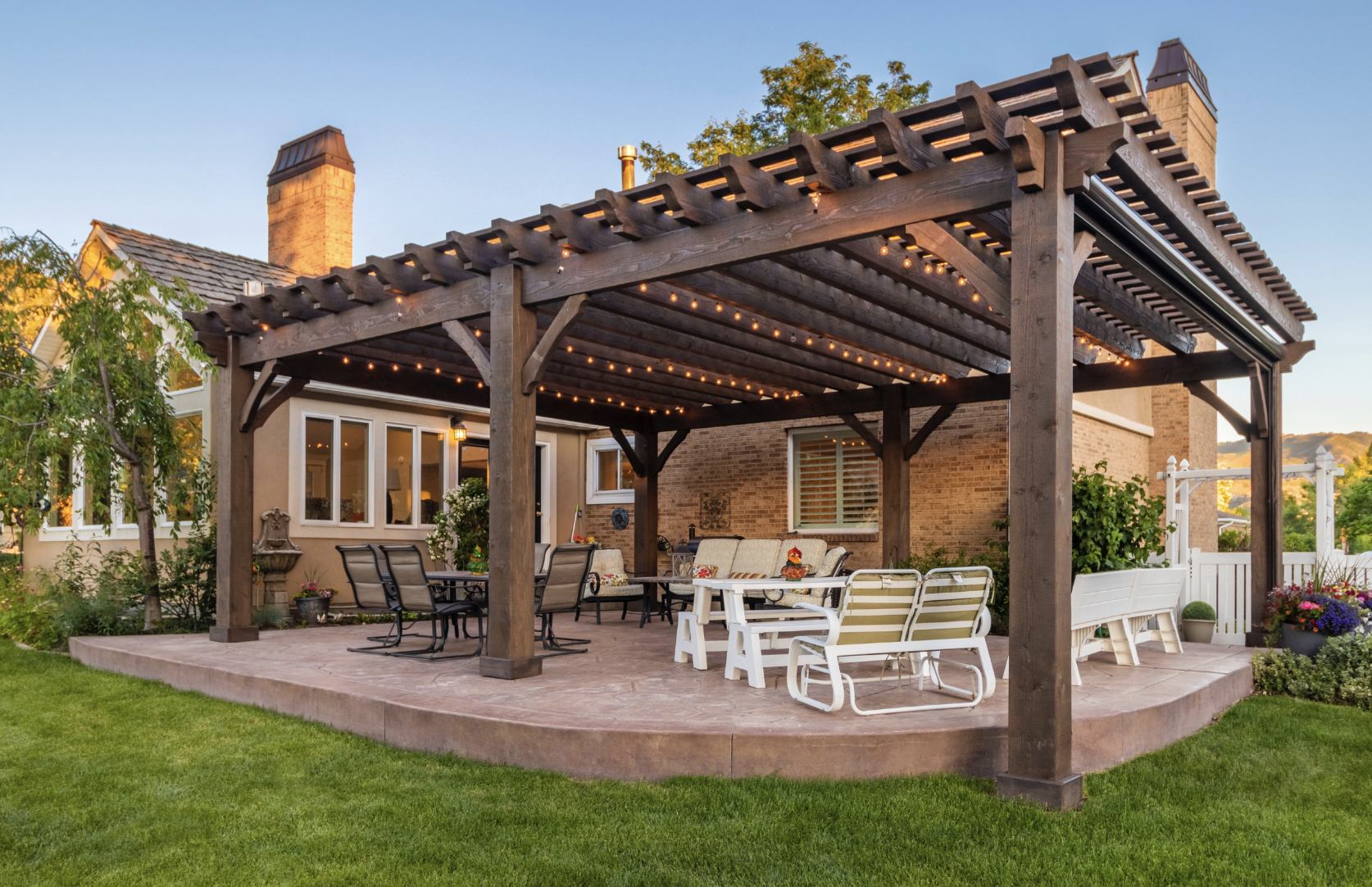
When we talk about a pergola, we’re discussing a substantial outdoor living structure. Its primary function is to define an outdoor space and provide partial shade. Imagine it as an open-air room, a grand extension of your home into the garden. Pergolas typically feature robust vertical posts supporting an open, roof-like structure of cross-beams or open rafters. This design allows natural light and a gentle breeze to filter through, creating a comfortable environment.
A pergola can be a versatile addition. It can be attached to your home, seamlessly extending your indoor living area outdoors, or it can be a freestanding structure in your garden, creating a distinct destination.
Common uses for pergolas include:
- Shading a patio or deck: Providing a comfortable respite from the sun, making these areas more enjoyable for everyday use.
- Creating defined outdoor living areas: A pergola can frame an outdoor kitchen, a cozy seating area, or even an neat dining space. We’ve seen homeowners install bars and fireplaces under their pergolas, truly turning them into outdoor rooms.
- Covering walkways: Offering a shaded path through your garden or connecting different parts of your property.
- Enhancing aesthetic appeal: With their strong architectural lines, pergolas add a sense of order and sophistication to any landscape. They can also be covered with retractable canopies for improved protection from sun, wind, and rain, or adorned with lights and curtains to create a true “outdoor room.”
The benefits of a pergola are numerous. It provides shade, defines the landscape, adds aesthetic value, supports climbing plants, creates a dedicated space for entertaining or relaxing, and can ultimately increase your property value.
The Trellis: A Vertical Garden Support

Atrellis is a framework designed to support climbing plants. Unlike a pergola, a trellis focuses on vertical growth and decorative appeal. It’s typically a panel-like structure with a lattice design made of interwoven materials.
Trellises are invaluable for gardeners and those looking to add vertical interest to their outdoor spaces. They can be attached to walls, fences, or buildings, changing a plain surface into a living wall of greenery and blooms. They can also be freestanding, serving as garden accents, dividers, or even wall toppers to extend the height of a garden wall.
The uses of trellises are quite varied:
- Supporting climbing plants: Their primary function is providing structure for flowers, vines, and vegetables to grow upwards. This maximizes garden space, especially in smaller yards.
- Creating vertical gardens: By encouraging plants to grow upwards, trellises can turn an empty wall into a vibrant display.
- Adding visual interest: A trellis can be a beautiful decorative element on its own, especially when adorned with flowering foliage.
- Providing privacy screens: When covered with dense climbing plants, trellises can form natural, living privacy screens, offering seclusion without the heavy feel of a solid fence.
- Enhancing wall decor: A trellis affixed to a wall can add texture and depth, changing a flat surface into an architectural feature.
A trellis, by itself, doesn’t provide shade or rain protection for people. Its open framework allows sunlight to penetrate, which is ideal for the plants it supports.
Key Differences at a Glance: Pergola vs Trellis
The terms “pergola,” and “trellis,” are often confused. However, as Fine Homebuilding points out, they are “distinctly different structures.” Understanding these differences is key to choosing the right one for your project. Here’s a quick comparison:
| Feature | Pergola | Trellis |
|---|---|---|
| Size/Scale | Large, covers significant area | Small to medium, panel-like |
| Primary Function | Defines outdoor room, provides shade, creates living space | Supports climbing plants, adds vertical interest, decorative |
| Roof Structure | Open roof of cross-beams/rafters | No roof, open framework/lattice |
| Common Uses | Patios, decks, outdoor kitchens, seating areas, walkways | Walls, fences, freestanding garden accents, vertical gardens |
Structural Differences: A pergola is a robust structure with four or more posts and an overhead grid. A trellis is typically a flat lattice panel or screen.
Size Comparison: Pergolas are the largest, built to accommodate furniture and people. Trellises are the smallest and most flexible, easily integrated into existing structures or standing alone.
Roof Design: The pergola’s signature is its open rafter roof, offering partial shade. Trellises have no roof, focusing on vertical support.
Common Materials and Construction
The longevity and aesthetic appeal of any outdoor structure largely depend on the materials and construction methods used. When we build pergolas and trellises, we focus on durability and timeless design.
Wright Timberframe specializes in real timber, primarily Douglas Fir or Cedar, selected for durability and appearance. Wright’s structures are handcrafted and cut in-house, and we employ mortise & tenon and dovetail joinery (wood-to-wood connections, no metal brackets), which yields strong, clean connections and long-lasting performance.
Choosing a custom pergola over pre-fabricated options allows for precise measurements, ensuring a perfect fit. This means we can select the best materials and construction techniques for stability and durability, key for safety and longevity. Our timber frame kits, for example, are pre-cut, pre-labeled, pre-drilled, and arrive ready to assemble.
Creating a Cohesive Design
Combining these different structures can create a cohesive and functional outdoor space. A pergola and a trellis don’t have to exist in isolation; they can complement each other beautifully.
Here are some ways we integrate them into stunning designs:
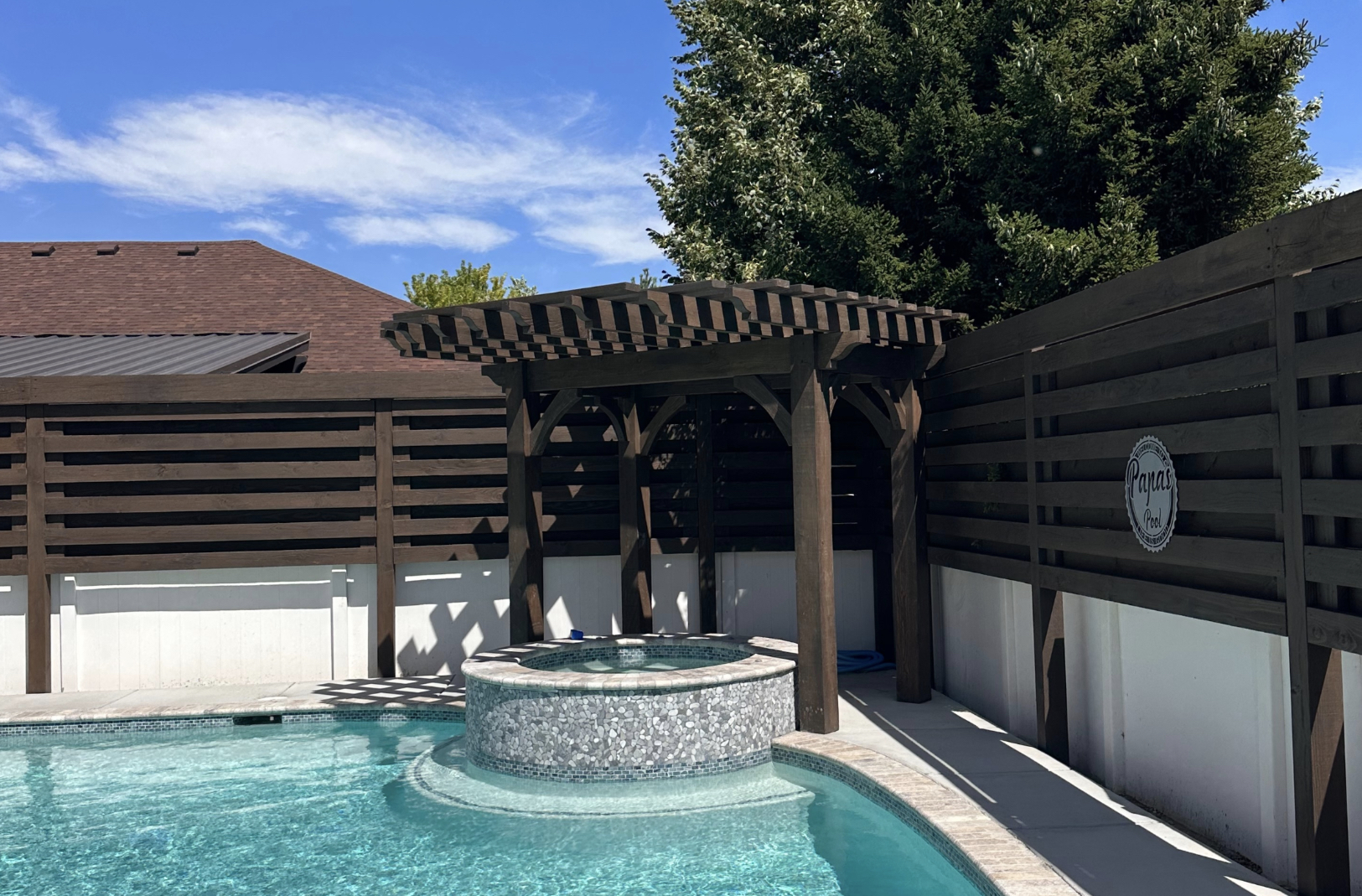
- Pergola with Trellis Walls: This is a popular combination. Adding trellis panels to the sides of a pergola can create a semi-enclosed space, offering more privacy and additional surfaces for climbing plants. This creates a lush, green “outdoor room.”
- Trellis as an Entrance to a Pergola: A freestanding trellis can mark the entrance to a pergola-covered patio, guiding guests into the defined outdoor living area.
- Design Continuity: To ensure a harmonious look, we recommend using similar materials and design elements across all your outdoor structures. For instance, a timber frame pergola paired with timber trellises will create a unified and neat aesthetic.
- Layered Effects: Imagine a pergola providing overhead shade, with trellises on its sides supporting flowering vines. These layers add depth and interest to your landscape.
- Aesthetic Purpose: Beyond their individual functions, these structures collectively improve the beauty of your outdoor space. They provide vertical elements, create focal points, and add architectural interest, contributing to an overall sophisticated garden design.
Combining trellises with pergolas is truly “a match made in outdoor heaven.” This synergy allows for maximized plant growth, improved privacy, and a more visually dynamic space. Whether you’re considering a “pergola trellis” as an integrated unit or separate, complementary structures, the key is planning how they will interact to achieve your desired outdoor ambiance.

Frequently Asked Questions about Pergola Vs Trellis
What’s the difference between a pergola and a trellis?
A pergola is a large timber structure with posts and beams across the top. It gives shade and creates an outdoor living space. A trellis is smaller and works more like a screen or panel that supports climbing plants or adds privacy to your yard.
Can both help plants grow?
Yes, but in different ways. A trellis is made for vines and flowers to climb. A pergola can also have plants trained over the top, but its main purpose is to give you a shaded place to gather outside.
Why pick a pergola?
Choose a pergola when you want a dedicated outdoor space to relax, dine, or entertain. Wright Timberframe builds pergolas from Douglas Fir or Cedar using traditional joinery, so they last for years and look like a natural extension of your home.
Why use a trellis instead?
A trellis is perfect if you want privacy or a place for greenery to grow without taking up much room. Wright Timberframe trellises can be custom-built to match your pergola or stand alone as a design accent in your garden.
Can you use a trellis and pergola together?
Yes. Many people add trellis panels to the sides of a pergola for extra privacy or to support climbing plants. This creates a lush outdoor room that feels cozy and connected to nature.
Which one lasts longer or costs more?
Pergolas are larger, heavier, and designed to last for decades, so they cost more than trellises. Trellises are smaller and less expensive but still add strong value when crafted from real timber. Both can be custom-built to fit your space and style.
Pergola vs Trellis: Choosing the Right Structure for Your Outdoor Paradise
Now that you understand the key differences, the pergola vs trellis decision is clearer. Match the structure to your goals.
For an outdoor living space, choose a pergola. It defines an area for dining or relaxing and provides essential shade, extending your home into the garden. For vertical gardens and plant support, a trellis is your best choice. It’s perfect for creating living privacy screens or adding greenery to walls, especially in smaller yards.
Your yard’s size and budget also influence the choice. Pergolas need more space and are a larger investment, while trellises fit smaller areas and budgets. A well-built structure, however, is a long-term investment in your property’s value and your enjoyment.
At Wright Timberframe, we guide homeowners through these decisions. Our handcrafted approach using traditional joinery means your structure, be it a pergola or trellis, becomes a lasting part of your family’s story. We use premium timbers and time-tested techniques to create outdoor structures built for generations.
The beauty of custom design is combining these elements. A pergola for your main entertaining area with matching trellises for privacy creates a cohesive, sophisticated look.
Ready to transform your outdoor space? Whether you’re still weighing the pergola vs trellis decision or dreaming of a complete outdoor paradise, we’re here to help. Our team works with you from sketch to installation to ensure your structure perfectly matches your vision.
Explore our custom timber frame pergolas.