
Why Learning How to Build a Pavilion Creates Your Ultimate Outdoor Retreat
Learning how to build a pavilion starts with a vision: a beautiful timber frame structure that becomes the heart of your outdoor life. It’s a space for morning coffee, evening conversations, and weekend gatherings, providing shelter from sun and rain. Building a pavilion extends your home’s living area, boosts property value, and offers the immense satisfaction of creating something beautiful and lasting with your own hands.
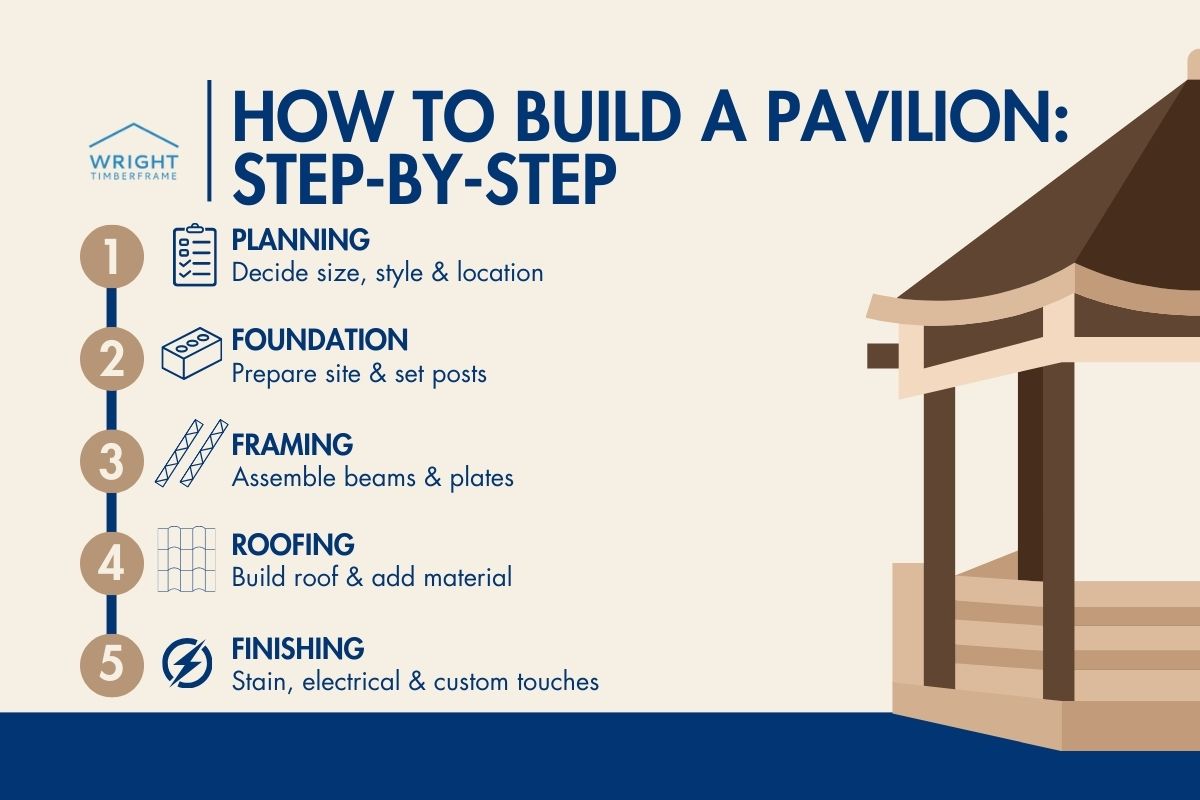
The essential process on how to build a pavilion involves:
- Planning: Determine size, style, and location.
- Foundation: Prepare the site and set posts in concrete.
- Framing: Assemble beams and plates with proper joinery.
- Roofing: Construct the roof structure and add roofing material.
- Finishing: Apply stain, add electrical, and customize.
The beauty of modern pavilion construction is that there’s a path for every skill level, from building from scratch to using detailed plans or choosing the efficiency of a pre-cut timber frame kit.
At Wright Timberframe, we’ve guided homeowners through building pavilions using traditional mortise-and-tenon joinery. Our experience has shown us how the right approach can turn a daunting project into an enjoyable and rewarding adventure.
Planning Your Perfect Pavilion: Essential First Steps
The magic of learning how to build a pavilion begins in the planning phase. Proper planning transforms a stressful project into an exciting journey toward your perfect outdoor retreat.
Defining Purpose and Choosing Size
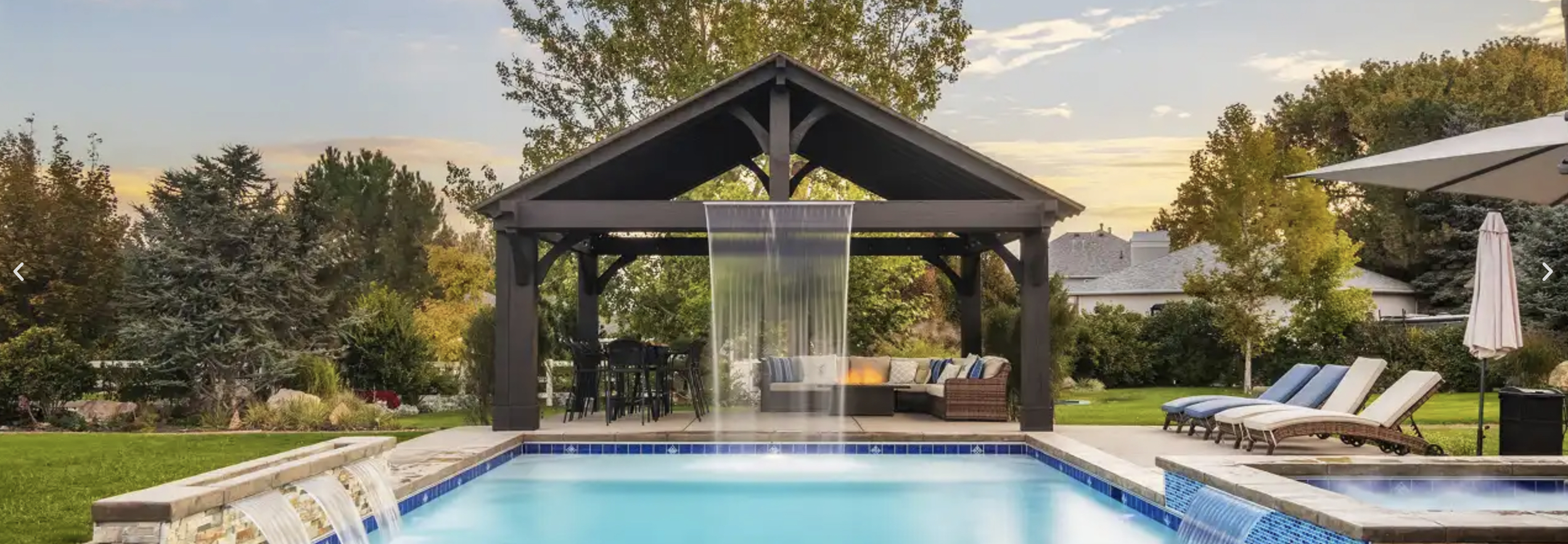
First, define your pavilion’s primary purpose. Will it be for intimate dinners, a peaceful poolside lounge, or an outdoor kitchen? Your vision shapes every decision. For example, families planning a pavilion for their pool area benefit from our moisture-resistant cedar timbers.
Once the purpose is clear, size becomes easier. We build to fit your space. Wright Timberframe designs and engineers custom footprints and roof styles (gable, hipped, or single-slope) to match your layout and use-case: dining, lounge, poolside, or event. We’ll advise on proportions during design and tailor beam profiles, braces, and stain to suit.
Site Selection, Budgeting, and Timeline
Choosing the right location is about more than just aesthetics. Walk your property at different times of day to check sun exposure and consider prevailing winds. Always choose the flattest area possible to simplify foundation work. Proximity to your home’s electrical panel is also a key consideration if you plan to add lighting or fans.
When budgeting, understand the difference between cheap and affordable. A stick-built structure may seem budget-friendly, but material sourcing, waste, and tool rentals add up. Our pre-cut timber frame kits offer genuine value by providing precision-cut, hand-selected premium Douglas fir and cedar timbers that last for generations. A complete timber frame project is a long-term investment in your property and lifestyle.
Time is another critical factor. Building from scratch can take months. Pre-cut, labeled pavilion kits shorten build times to days (depending on crew experience) and Wright’s Utah installs typically take one to two days on site.
Checking Local Building Codes and Permits
We can’t stress this enough: always check with your local building department before you start. This crucial step helps you avoid costly mistakes. Codes ensure your pavilion can handle local snow loads and wind, and they dictate details like footing depth and property line setbacks. Many areas have size thresholds for permits, but rules vary. Wright Timberframe can provide engineered plans to support your permit application and ensure the pavilion meets local code for wind, snow, and seismic loads. For more guidance, see our guide on Top Mistakes to Avoid When Planning Your Pavilion Construction.
The Great Debate: DIY From Scratch, Plans, or a Pavilion Kit?
Once you decide to build a pavilion, you face a crucial choice of construction method. Each path offers a different balance of quality, efficiency, and satisfaction.
Building from Scratch or Using Plans
Building from scratch offers total control and customization but demands advanced carpentry skills, especially for cutting precise mortise and tenon joints. The learning curve is steep, and a single miscut on an expensive timber can be a major setback.
Using pre-made plans provides a helpful roadmap, but you still face the same challenges. You must source all materials and hardware, and the plans can’t execute the complex cuts for you. Many find that a blueprint doesn’t replace the woodworking expertise needed for a high-quality timber frame structure.
The Wright Timberframe Kit Advantage: Craftsmanship Meets Convenience
Our pre-cut timber frame pavilion kits bridge the gap between the satisfaction of DIY and the precision of professional craftsmanship. This is where our approach at Wright Timberframe truly shines.
- Precision-Cut Joinery: Every timber is pre-cut and labeled in our shop. Kits use mortise-and-tenon or dovetail joinery, no metal brackets, so parts fit cleanly during assembly.
- Premium Materials: We hand-select Douglas Fir and Cedar timbers for their strength, beauty, and natural durability, ensuring your pavilion will last for decades.
- Speed and Efficiency: We’ve watched homeowners with basic skills raise our pavilion kits in a single weekend. Our pre-testing and clear labeling system make assembly feel like working with a life-sized puzzle.
- Detailed Instructions: Our step-by-step guides, refined with feedback from hundreds of builds, make the process clear and straightforward.
For more insights, explore our guide on DIY vs. Professional Installation: What’s Best for Your Timber Frame Pavilion?.
Here’s how the three approaches compare:
| Factor | From Scratch | Pre-Made Plans | Wright Timberframe Kit |
|---|---|---|---|
| Skill Level | Very High (advanced carpentry, joinery) | High (accurate cutting, some joinery) | Moderate (basic carpentry, assembly) |
| Time | Very Long (months to a year+) | Long (weeks to months) | Short (days to a few weekends) |
| Cost | Variable (can be lower materials, higher labor) | Variable (materials + your labor) | Higher upfront (materials + precision labor) |
| Quality Control | Dependent on your skill | Dependent on your skill | High (factory precision, hand-selected timbers) |
| Customization | Full | Limited by plan, full execution | High (within timber frame aesthetics) |
| Waste | Potentially High | Moderate | Minimal |
The Wright Timberframe kit offers the perfect balance for homeowners who want professional-quality craftsmanship with the satisfaction of a hands-on build.
Gathering Your Arsenal: Materials and Tools for the Build
Once you’ve chosen your construction method, it’s time to gather supplies. Having everything ready before you start makes learning how to build a pavilion a much smoother process.
Essential Tools and Safety Gear
Whether building from scratch or assembling a kit, you’ll need a core set of tools. The right equipment makes all the difference.
- Hand Tools: A quality hammer, tape measure, speed square, framing square, a long level, chalk line, utility knife, shovel, post hole digger, sledgehammer, and a wrench or socket set.
- Power Tools: A circular saw for straight cuts, a miter saw for angles, and a reliable drill and impact driver. A sander is also helpful for finishing touches.
- Safety Gear: Always use safety glasses, work gloves, hearing protection, and sturdy work boots. Safety should never be an afterthought.
Material Selection
The quality of your materials directly impacts your pavilion’s beauty and longevity. This is where our expertise as Utah timber specialists shines.
At Wright Timberframe, we build our reputation on premium timbers. Our two favorites are Douglas Fir and Cedar. Douglas Fir offers an exceptional strength-to-weight ratio, making it perfect for structural applications, and it accepts stains beautifully. Cedar is naturally resistant to rot and insects, and it weathers gracefully to an attractive silver-gray. For a deeper dive, see our guide on Choosing the Right Wood for Your Timber Frame Pavilion.
Your fasteners and hardware are just as important. Use galvanized structural screws and heavy-duty bolts to resist corrosion and provide maximum strength. Post anchors are crucial for securing posts to the concrete foundation while preventing moisture-related rot. Finally, ensure you have a high-strength concrete mix for the foundation and quality materials for your chosen roofing system.
How to Build a Pavilion Foundation: Laying the Groundwork
A strong, level foundation is the bedrock of your pavilion. After helping homeowners across Utah build stunning timber frame structures, we can tell you that precision in this step is non-negotiable. Rushing here will cause problems later.
Site Preparation and Foundation Options
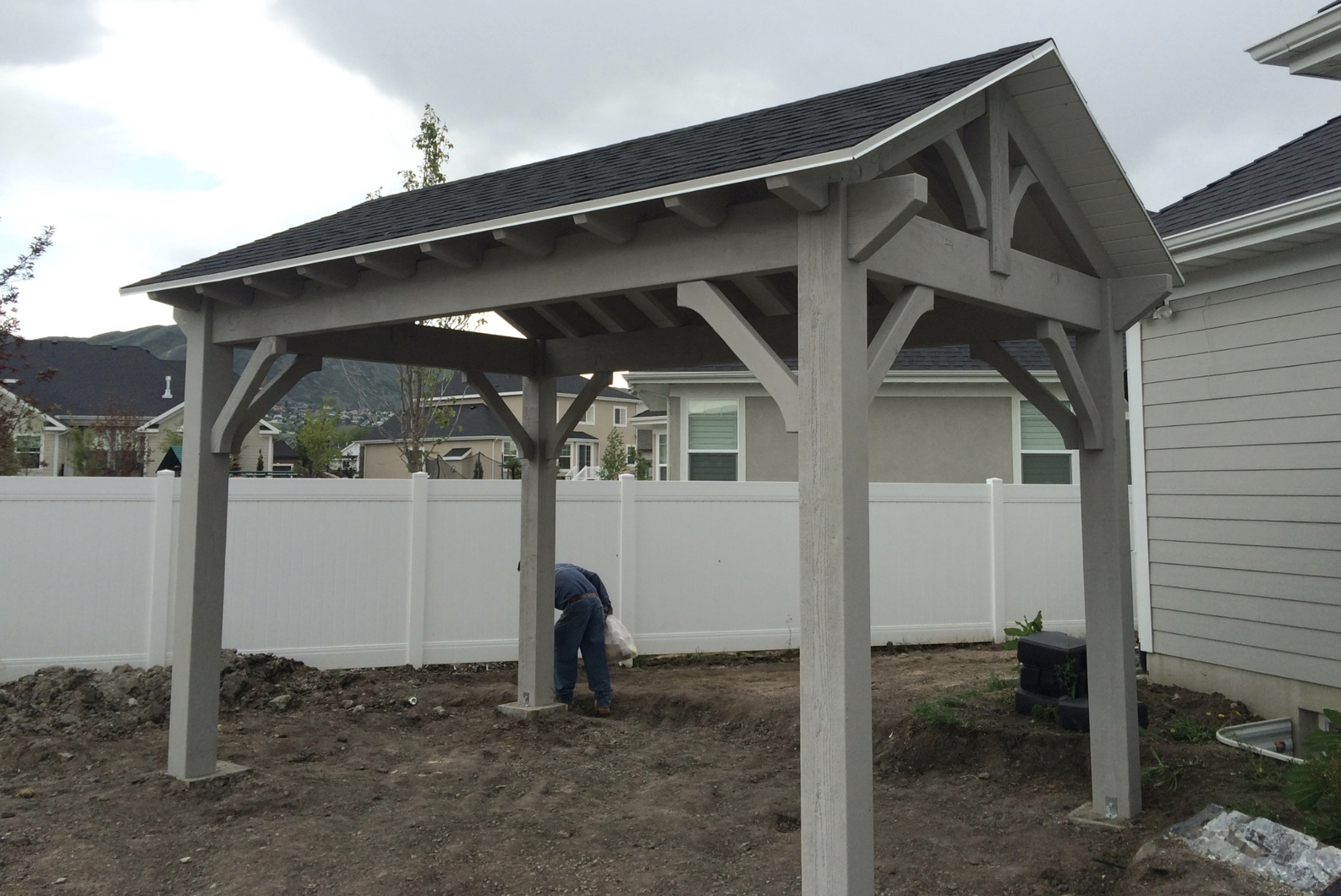
Before mixing concrete, you must prepare the site. Start by clearing and leveling the area where the pavilion will stand, plus a few extra feet for a clean workspace. The most critical step is squaring the layout. Use batter boards, string, and the 3-4-5 rule to ensure perfect 90-degree corners. Double-check by measuring the diagonals, they must be equal.
For the foundation itself, you have a few solid choices. A full concrete slab offers maximum stability and a finished floor. However, for most timber frame pavilions, we recommend individual concrete footers. This method gives each post its own foundation below the frost line, uses less concrete, and allows for flooring flexibility like pavers or gravel. For more perspectives, resources like How to Build a Pavilion | HowStuffWorks can be helpful.
How to set the posts for your pavilion
This is when your pavilion starts to take shape. This phase requires patience and precision.
- Dig Post Holes: Dig holes that extend below your local frost line (typically 30+ inches in Utah) and are wide enough for form tubes.
- Use Form Tubes: Slide cardboard or plastic form tubes into the holes to create clean, uniform concrete piers.
- Set Post Anchors: Pour concrete and carefully set your metal post anchors in the wet mix. Use string lines and a level to ensure every anchor is at the correct height and alignment. These anchors keep the wood posts off the concrete, preventing rot.
- Attach and Brace Posts: After the concrete cures (24-48 hours), attach your timber posts to the anchors. Use a long level to ensure each post is perfectly plumb on all four sides. Secure each post with temporary 2×4 braces staked firmly into the ground. This keeps everything stable until the main beams are installed.
Raising the Frame: Assembling Your Timber Structure
This is the most exciting part of the build, watching your pavilion rise from the ground. Our timber frame structures are renowned for their strength and beauty, thanks to the art of traditional joinery.
The Art of Timber Frame Construction
Unlike modern construction, timber framing connects robust timbers using wooden joints proven over centuries. At Wright Timberframe, we’ve perfected these techniques. Our mortise and tenon joints create incredibly strong bonds that tighten over time. Our signature dovetail joints provide exceptional strength while adding an exquisite architectural detail. The complex geometry of these joints is pre-cut and test-fit in our shop, saving you hours of difficult layout and cutting in the field.
How to build the main frame of your pavilion
With your posts plumb, it’s time to raise the frame. This is where our pre-cut joinery truly shines.
- Assemble Beams and Plates: These horizontal timbers form the skeleton of your roof system. With a team of helpers, lift and guide each beam into position.
- Install Corner Braces: Diagonal 4×4 braces fit between the posts and beams, providing critical lateral stability to prevent swaying.
- Secure Connections: Assemble mortise-and-tenon or dovetail joints with the specified pegs/fasteners. Wright’s approach avoids exposed metal brackets while blending traditional joinery with engineered details.
Constructing the Roof
The roof crowns your pavilion and defines its character. Common roof style options include the classic gable roof, the more complex hip roof, or a simple lean-to roof. You can see an example of lean-to construction in this helpful video: BUILD Your Dream Backyard Pavilion From Scratch! – YouTube.
The process involves:
- Installing the Ridge Beam: This timber runs along the highest point of the roof and must be perfectly level and centered.
- Placing Rafters: These sloping timbers extend from the top plates to the ridge beam. Our kits include pre-cut birdsmouth cuts, ensuring the rafters sit securely on the plates.
- Installing Roof Decking: This creates a solid surface for your final roofing. We love using tongue-and-groove boards for the underside, as they create a beautiful, finished wood ceiling.
- Applying Final Roofing: Protect your investment with a durable material like architectural shingles or long-lasting standing seam metal roofing.
The Finishing Touches: Customizing Your Outdoor Oasis
You’ve built the frame and raised the roof, now it’s time to personalize your pavilion and make it a true outdoor oasis. This is where your vision comes to life.

Protecting and Enhancing Your Pavilion
Your timber frame pavilion is a significant investment built with premium Douglas Fir or Cedar. Staining or sealing the wood is a critical step to protect it from UV damage and moisture. A high-quality stain or clear sealer will preserve the natural beauty of the wood for generations. For detailed guidance, our guide on Timber Frame Pavilion Maintenance: How to Keep Your Structure Looking Great covers everything you need to know.
Plan electrical early. Wright can design around your lighting and fan layout; work with a licensed electrician for wiring, switching, and GFCI protection.
For more inspiration, explore our guide on Pavilion Lighting Ideas: How to Set the Perfect Ambiance.
Custom Improvements
This is where your pavilion becomes a reflection of your personal style. We’ve seen homeowners get incredibly creative with customizations:
- Privacy Walls: Use solid boards, decorative lattice, or even living walls to create a more intimate atmosphere.
- Built-in Seating: Cedar benches can maximize space and add permanent, weather-resistant seating.
- Outdoor Kitchens and Bars: Turn your pavilion into the ultimate entertaining hub with prep counters, grills, and sinks.
- Stone Fireplaces: A fireplace creates a stunning focal point and extends your pavilion’s usable season into the cooler months.
Your pavilion can be more than just a space for entertaining. We’ve seen them used as outdoor offices, yoga studios, and workshops. For more ideas, check out our guide on 5 Creative Uses for a Timber Frame Pavilion Beyond Outdoor Entertaining.
Frequently Asked Questions about How to Build a Pavilion
When homeowners first consider how to build a pavilion, we hear the same thoughtful questions. Here are some honest answers based on our real-world experience with timber frame projects.
How much does it cost to build a 12×12 pavilion?
Costs vary by size, timber (Douglas Fir or Western Red Cedar), roof style, and features (fireplace, kitchen, privacy walls, lighting). Local installs across Utah and pre-cut kits shipped nationwide are both available. Request a quotefor exact pricing.
Do I need a permit to build a pavilion?
The honest answer is: most substantial pavilions require a permit. The specifics depend entirely on your local building department. Many municipalities have a size threshold (often around 200 sq. ft.) under which a permit may not be needed for an accessory structure. However, you will still need to comply with zoning regulations for setbacks from property lines and height restrictions. We always tell our customers to check with their local building department before breaking ground. It’s a simple step that prevents major headaches later.
What is the easiest pavilion to build?
For a true beginner building from scratch, a simple four-post lean-to is the most basic. But if your goal is a beautiful, durable pavilion that showcases timeless timber framing, our pre-cut kits are by far the easiest path forward.
The most challenging part of learning how to build a pavilion is cutting the complex joinery. Our kits eliminate that entire step. Every piece of Douglas Fir or Cedar arrives pre-cut with a precision that’s nearly impossible to achieve with hand tools. The mortises, tenons, and even bolt holes are all done for you. Build time varies with crew size and experience; Wright’s Utah installs are typically 1–2 days.
Your Guide to How to Build a Pavilion: A Final Word
Standing in your backyard, looking at the beautiful timber frame pavilion you helped create, brings a feeling of pride and accomplishment. Learning how to build a pavilion transforms more than just your outdoor space, it changes how you experience your home. It becomes the natural gathering spot for barbecues, birthday parties, and quiet morning coffee, providing shelter and adding substantial value to your property.
The journey of building a pavilion, especially with the precision and efficiency of our pre-cut timber frame kits, teaches you about quality craftsmanship. When you see our mortise and tenon and dovetail joints fit together perfectly, you’re experiencing a woodworking tradition that has stood the test of time.
As your local Utah Pavilion experts, we at Wright Timberframe have built our reputation on combining traditional craftsmanship with modern convenience. Our kits eliminate the guesswork of complex timber framing while preserving the timeless beauty and strength that make these structures so special. Your pavilion will age gracefully, developing character while maintaining its structural integrity for generations.
Ready to start your pavilion journey? Explore our stunning Timber Frame Pavilion kits and start building your dream backyard today! We’re here to help make your vision a reality.