Are Freestanding Pergolas Safe? Understanding the Structural Stakes
Are freestanding pergolas safe? The short answer is a resounding yes, provided they are properly designed, built with high-quality materials, and installed on a solid foundation. A well-built freestandingpergola is not just an aesthetic addition to your yard; it’s a durable, long-lasting structure engineered for safety.
Unlike attached pergolas that rely on your home for support, freestanding pergolas must be entirely self-supporting. This independence offers incredible flexibility in placement but demands meticulous engineering to withstand wind, snow, and time. The difference between a safe pergola and a potential hazard lies in three key areas: the foundation, the quality of materials and craftsmanship, and ongoing maintenance. A flimsy, poorly anchored structure can be dangerous, while a heavy timber frame pergola with deep concrete footings and traditional joinery will stand strong for generations.
At Wright Timberframe, we’ve spent years perfecting the art of building custom timber structures that meet the highest safety standards. We understand that when you ask, “are freestanding pergolas safe?” you’re really asking for peace of mind. Let’s explore what makes a freestanding pergola a secure and beautiful addition to your home.

Freestanding vs. Attached Pergolas: What to Know Before You Build
When adding an outdoor structure to your property, one of the first decisions is whether to choose a freestanding or an attached pergola. While both offer unique benefits, their structural differences have significant implications for design, placement, and most importantly, safety.
| Feature | Freestanding Pergolas | Attached Pergolas |
|---|---|---|
| Support | Stands on its own with 4+ posts, requiring a robust, self-supporting foundation. | Attaches to the house via a ledger board, using the building for partial support. |
| Placement | Offers complete flexibility to be placed anywhere in your yard or garden. | Limited to areas adjacent to the house. |
| Installation | Requires a more substantial foundation but avoids altering the home’s exterior. | Involves attaching to the house, which requires careful sealing and flashing to prevent water damage. |
| Aesthetics | Creates a distinct, destination-like space. | Acts as a seamless extension of your home’s living area. |
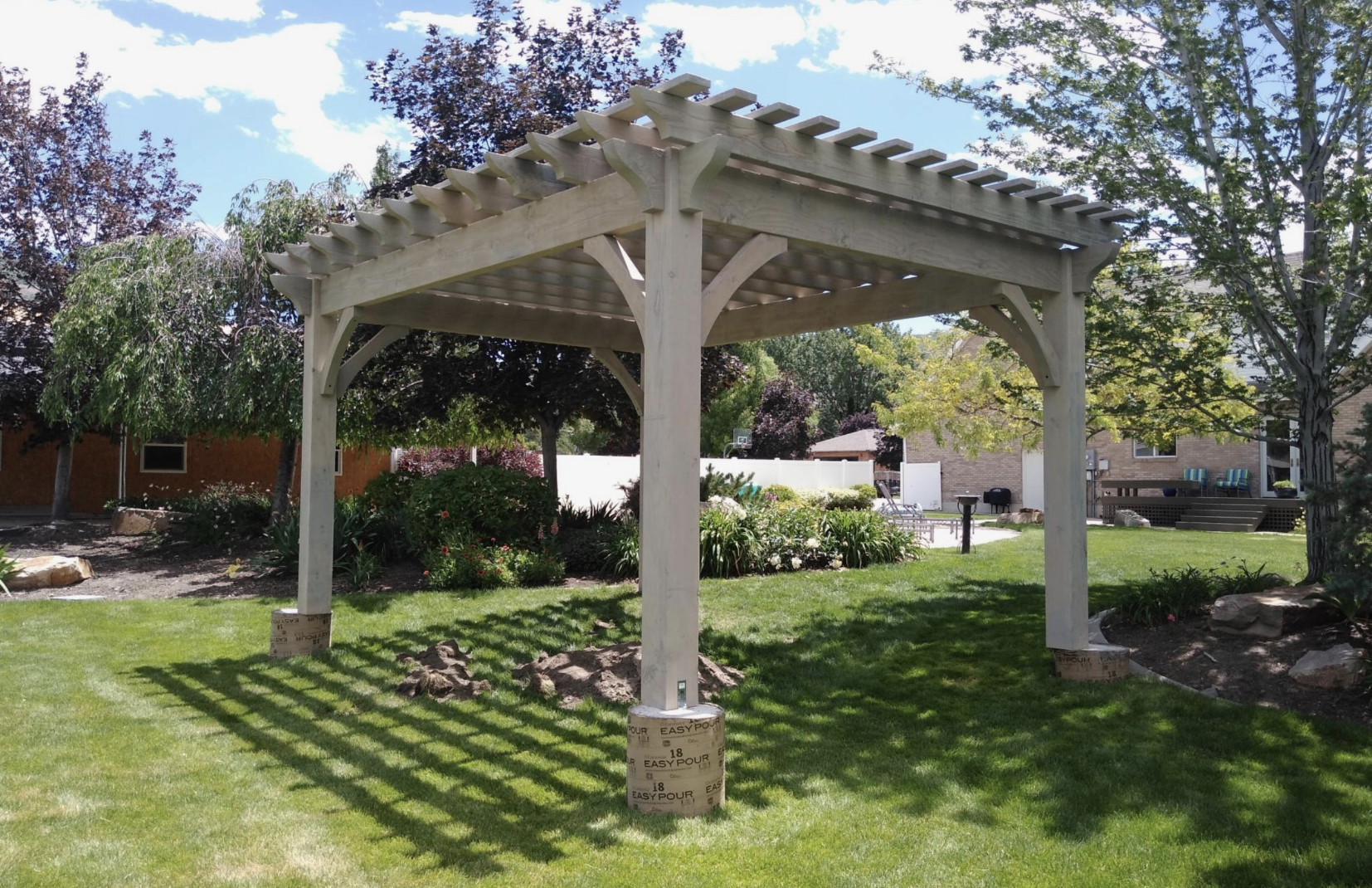
Freestanding pergolas stand on their own with at least four posts and a self-supporting foundation. They can be built anywhere in your yard or garden, making them perfect for homeowners who want flexibility or prefer not to modify their home’s exterior. They also create a distinct “destination” spot that feels like a private retreat.
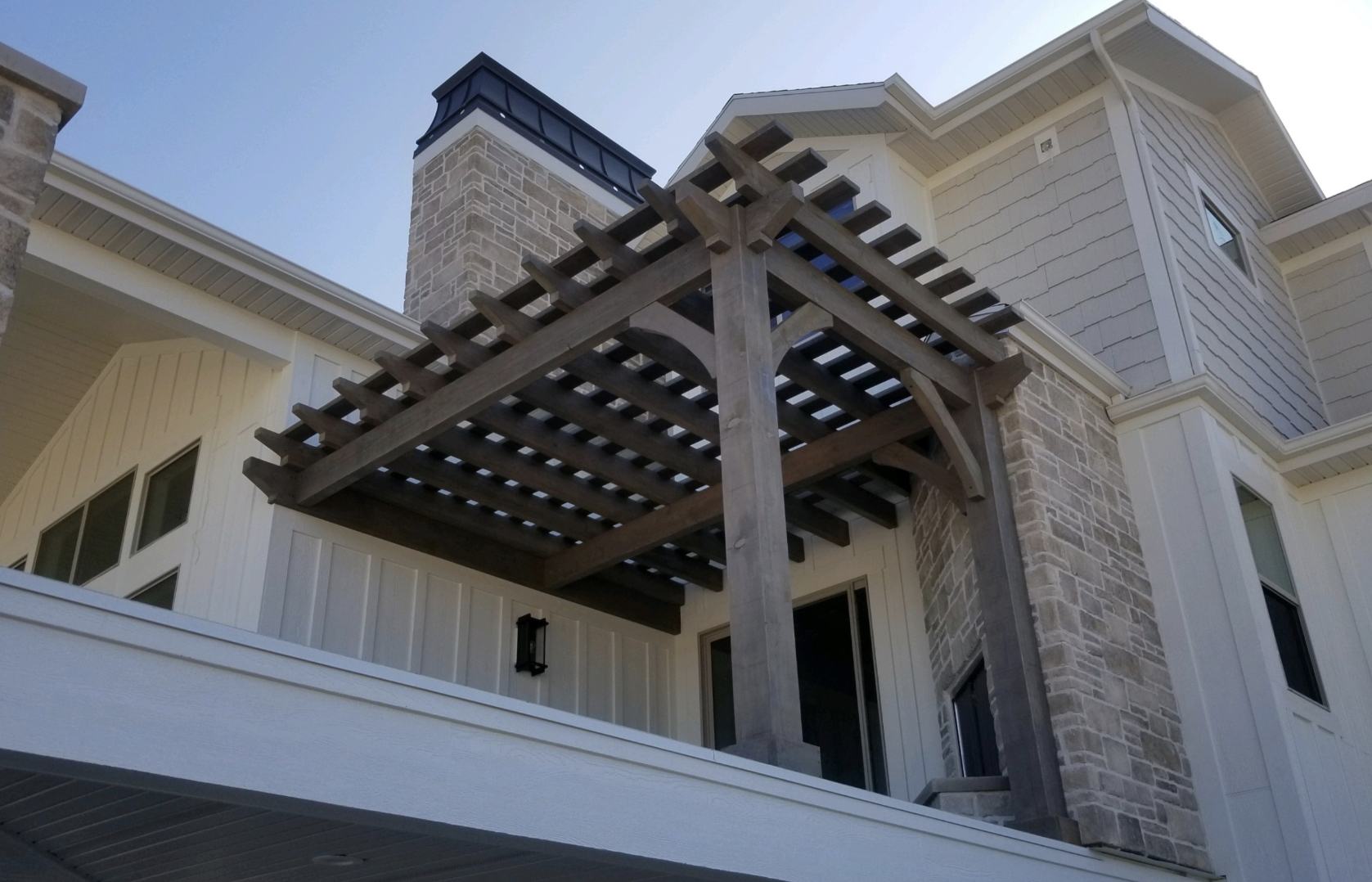
Attached pergolas, on the other hand, anchor directly to your home with a ledger board, using the house for partial support. They must be installed right next to the building and require careful sealing and flashing to prevent water damage. In return, they provide a seamless extension of your indoor living area, perfect for anyone looking to blend their outdoor and indoor spaces.
The right choice depends on your space, style, and how you want to use it. If you value flexibility and a stand-alone retreat, a freestanding pergola is the better option. If you prefer a seamless flow from your home to the outdoors, an attached pergola may be the ideal fit.
For a deeper dive into freestanding designs, check out our Freestanding Patio Pergola Guide.
The Foundation of Safety: Building from the Ground Up
A freestanding pergola is only as strong as its foundation. This is the most critical element in ensuring your structure is safe and will last for generations. At Wright Timberframe, we prioritize a robust foundation to protect your investment from the forces of nature.
Key Elements of a Secure Foundation and Structure
- Site Assessment and Footings: Before we build, we assess the soil conditions to determine the right foundation. For long-term stability, especially in climates with freezing temperatures like Utah, concrete footings must be set below the frost line (typically 36 inches or more). This prevents “frost heave,” where frozen ground can lift and damage the structure.
- Proper Anchoring: A major safety concern is wind uplift, where strong gusts can lift a poorly secured pergola. We use robust anchoring methods to securely fasten the posts to the footings, creating a solid connection that resists even powerful winds. For a technical overview, you can review this Ground Fixing Guide.
- Quality Materials: The choice of wood is crucial for both strength and longevity. We use high-grade Douglas Fir for its exceptional structural integrity and Cedar for its natural resistance to rot and insects. The sheer weight and density of these timbers provide a natural defense against wind and weather.
- Expert Craftsmanship: We use traditional timber framing techniques, like mortise and tenon joinery, to create incredibly strong and resilient connections. Unlike structures held together with screws and bolts that can loosen over time, our joinery creates a unified frame that distributes weight and stress evenly, ensuring the pergola remains stable for decades.
Don’t Forget the Paperwork: Permits and Regulations
A common question is, “Do I need a permit?” For most freestanding pergolas, the answer is yes. Building codes and local regulations are in place to ensure safety. These rules can vary by city and county, covering everything from size and height restrictions to setback requirements from property lines. Additionally, many Homeowners’ Associations (HOAs) have their own guidelines.
Failing to get the proper permits can lead to fines or even an order to remove the structure. It can also create problems when you sell your home. We can help you steer the permitting process to ensure your project is fully compliant and hassle-free.
Are Freestanding Pergolas Safe Against Mother Nature?
A pergola should be more than just beautiful, it must be engineered to withstand the elements. At Wright Timberframe, we design every structure to stand strong against Utah’s wind, snow, and sun, ensuring your investment provides a safe, comfortable outdoor space for decades to come.
Bracing for High Winds
Wind is a pergola’s greatest adversary. A lightweight, poorly anchored structure can act like a sail, creating dangerous uplift forces. This is why we prioritize heavy timber construction. The sheer mass of our Douglas Fir and Cedar timbers, combined with deep concrete footings, provides a powerful defense against high winds.
To further improve stability, we incorporate knee braces into our designs. These diagonal supports connect the posts and beams, preventing the side-to-side swaying (racking) that can compromise a structure’s integrity. We also consider the pergola’s placement, utilizing natural windbreaks like trees or existing structures to minimize wind exposure.
Handling Heavy Snow and Rain
In regions like Utah, heavy snow is a serious consideration. We engineer our pergolas to handle significant snow loads, ensuring the beams and overall structure can support the weight without risk. The design of the roof and the strength of the joinery are critical for distributing this load safely.
Water management is equally important. While our timber is naturally resilient, we design for proper drainage to prevent water from pooling around the base of the posts, which can lead to rot. We also recommend appropriate sealants to protect the wood from moisture and UV damage. For more detailed information, check out our guide on Weatherproofing Your Timber Frame Pergola.
With proper engineering and quality materials, your Wright Timberframe pergola will stand strong through any season, providing a safe and beautiful outdoor retreat for years to come.
Long-Term Security: Maintenance and Safe Use
A well-built pergola is a long-term investment, and like any quality structure, it requires occasional maintenance to ensure it remains safe and beautiful for years to come. A little attention goes a long way in preserving the structural integrity of your outdoor living space.
Your Annual Pergola Safety Checklist
Performing a quick inspection once a year, ideally in the spring, can help you catch minor issues before they become major problems. Here’s what to look for:
- Foundation: Check the concrete footings for any signs of cracking or shifting. Ensure the ground around the posts hasn’t eroded.
- Connections: Visually inspect all joints and connections. While our mortise and tenon joinery is exceptionally durable, it’s good practice to check that everything remains snug.
- Hardware: If your pergola includes any bolts or screws, check them for tightness and gently tighten any that have loosened.
- Wood Condition: Look for any signs of deep cracking, rot, or insect damage. While minor surface checking is normal for timber, significant changes should be addressed.
- Finish: To protect the wood from UV rays and moisture, reapply a quality stain or sealant every 2-3 years, depending on your climate.
For more detailed tips, see our Timber Frame Pavilion Maintenance guide.
How Can I Be Sure My Freestanding Pergola Is Safe to Modify?
It’s tempting to add features like swings, privacy screens, or even a solid roof to your pergola. However, it’s crucial to understand that any modification can affect the structure’s stability. Adding weight, such as a solid roof, will increase the load from snow and create greater wind uplift forces, potentially compromising safety if the pergola wasn’t originally designed for it.
Before making any structural changes, always consult a professional. A qualified builder or engineer can assess your pergola and determine if modifications are feasible and what reinforcements might be needed. This is especially important for anything that adds significant weight or changes how the structure interacts with wind and weather. For more insights, see our article on DIY vs. Professional Installation considerations. Your safety is the top priority.
Frequently Asked Questions about Freestanding Pergola Safety
Thinking about a freestanding pergola but worried about wind, footing depth, or permits? This quick FAQ covers the essentials: anchoring, materials, code requirements, and simple maintenance so you can plan a structure that’s sturdy, compliant, and built to last. If you’re using heavy timber like Douglas Fir or Cedar, these tips will help you maximize safety from day one.
Can a freestanding pergola blow away?
A lightweight, poorly anchored pergola can be a hazard in high winds. However, a heavy timber frame pergola from Wright Timberframe, constructed with substantial posts and anchored deeply into concrete footings, is designed with the mass and stability to withstand extreme weather, making it exceptionally secure.
How deep should footings be for a freestanding pergola?
The depth depends on your local climate and soil, but a universal best practice is to dig below the frost line. For many regions, this means footings should be at least 36 inches deep. This prevents the ground from heaving during freeze-thaw cycles and shifting the structure. Always check your local building codes for specific requirements.
What is the safest material for a freestanding pergola?
For maximum safety and stability, dense, heavy materials are superior. Solid wood timbers, like Douglas Fir or Cedar, provide significant natural weight and structural strength. When combined with robust joinery techniques like mortise and tenon, a timber frame structure offers far greater resilience against wind and other forces than lighter materials.
Do I need a permit to build a freestanding pergola?
Most municipalities require a permit for accessory structures like pergolas, especially if they exceed a certain size or height. Always check with your local building department and HOA before starting your project to avoid fines or other issues.
How do I maintain my freestanding pergola to keep it safe?
Regularly inspect the structure for signs of wear, tighten hardware, check for wood damage, and reapply protective finishes as needed. Annual maintenance ensures your pergola remains safe and beautiful for years to come.
Conclusion: Are Freestanding Pergolas Safe?
So, are freestanding pergolas safe? The answer is a definitive yes, but with an important condition: they must be built correctly. A flimsy, poorly anchored kit can be a hazard, but a professionally designed and installed structure is a secure, long-lasting addition to any home.
The safety of a freestanding pergola depends on three factors: a solid foundation, high-quality materials, and expert craftsmanship. At Wright Timberframe, we specialize in creating structures that excel in all three areas. Our pergolas are built with heavy-duty Douglas Fir and Cedar, anchored to deep concrete footings, and assembled with traditional mortise and tenon joinery. This combination results in a structure that is not only beautiful but also engineered to withstand high winds, heavy snow, and the test of time.
By focusing on these fundamental principles of construction, we ensure that your pergola is a safe and reliable centerpiece for your outdoor living space. You can relax and create lasting memories with family and friends, confident that your investment is built to last.
Ready to transform your backyard with a structure you can trust? Explore our custom Freestanding Pergolas and let us help you create a safe, stunning outdoor sanctuary that will stand for generations.