

Lift Your Garden with the Timeless Beauty of Timber Trellises
Timber trellises transform ordinary gardens into extraordinary outdoor spaces, blending dependable plant support with warm, architectural character you’ll enjoy every day. If you’re looking to grow vertically, frame a view, or add privacy with natural beauty, a handcrafted timber trellis is a smart, lasting investment for your home.
Quick Guide to Timber Trellises:
- Best Materials: Cedar and Douglas Fir for natural rot resistance and durability.
- Primary Functions: Support climbing plants, create privacy screens, define garden spaces.
- Key Benefits: Natural temperature regulation for plants, timeless aesthetic appeal, long-lasting investment.
- Popular Uses: Roses, clematis, vegetables, privacy barriers, garden focal points.
- Lifespan: 20+ years with proper construction and minimal maintenance.
Beyond pure function, premium timber offers a plant-friendly environment metal and plastic simply can’t match. Where metal can overheat in summer and plastic often fades and becomes brittle, wood naturally tempers temperature swings to help vines establish and thrive.
From classic latticework to modern, clean-lined slats, timber trellises complement both traditional and contemporary landscapes. Whether you’re training jasmine for privacy, supporting a vertical vegetable garden, or creating a beautiful living backdrop, the right timber trellis is a hardworking structure that also elevates your outdoor style.
At Wright Timberframe, we’re local timber experts who design and craft custom outdoor structures – pergolas, pavilions, trellises, and kits – built from premium timber and joined with time-honored techniques like mortise and tenon and dovetail joinery. We partner with homeowners to transform backyards into welcoming extensions of the home, with trellises that look stunning on day one and only get better with age.
Why Choose Timber Trellises for Your Garden?
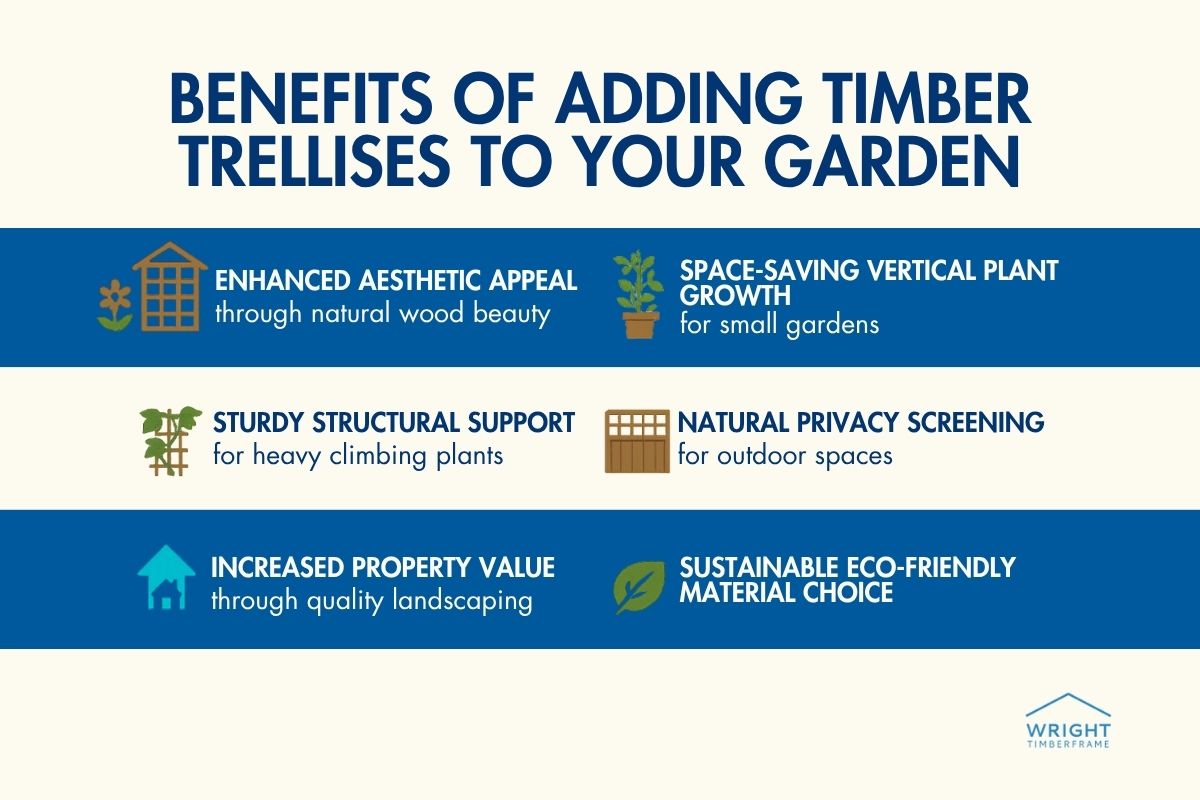
When it comes to enhancing your landscape, timber trellises deliver the perfect blend of beauty, function, and lasting value. We’ve seen homeowners light up as a once-blank fence line becomes a wall of roses, or a small patio gains privacy and charm, simply by adding a well-placed trellis.
Choosing quality timber trellises means you’re investing in plant health and long-term curb appeal. Unlike options that can warp, crack, or rust, premium timbers bring warmth and authenticity to outdoor living spaces, beautiful on their own and even more striking once planted.
Sustainability matters. Timber from responsibly managed forests stores carbon and lets you make an environmentally conscious choice without compromising performance or style. For inspiration on how versatile trellises can be, from privacy screens to vertical gardens, see The Many Functions of Trellises: From Privacy Screens to Vertical Gardens.
The Best Aesthetic Appeal of Timber Trellises
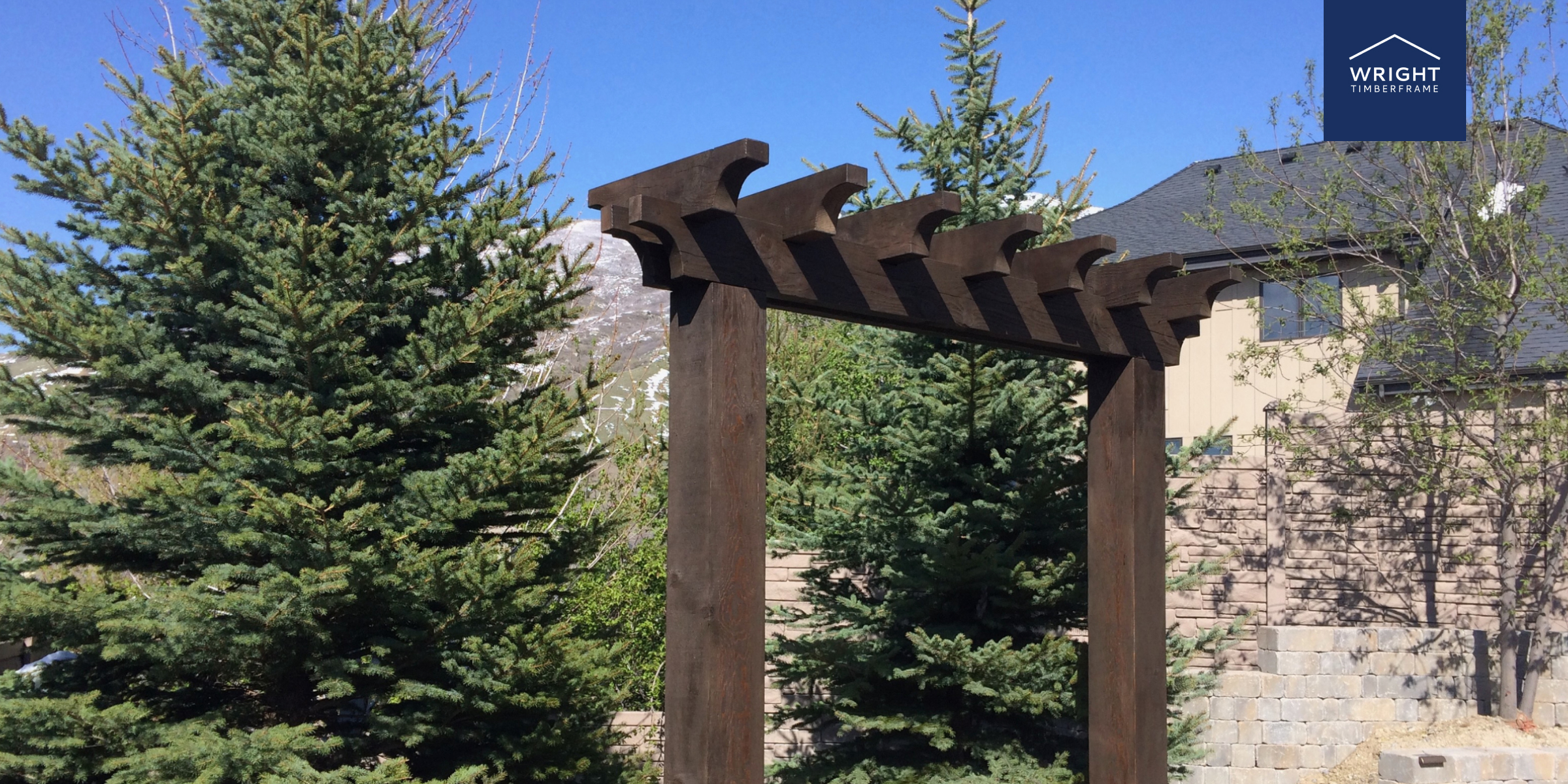
Nothing softens a space and ties a landscape together like wood. Timber trellises feel at home in nature, whether your design style leans cottage, mountain modern, or clean-lined contemporary. One of our favorite qualities of timber is how it ages gracefully, developing a rich patina that makes your trellis feel even more “at home” in the garden with each passing season.
Timber’s natural grain and depth are hard to replicate. Whether you prefer a delicate lattice or bold, architectural slats, wood provides a tactile richness and timeless presence that elevate planting beds, patios, and outdoor rooms. See more ideas at the Purpose of Trellis Image.
Supporting Healthy Plant Growth with Timber Trellises
Timber trellises don’t just look good, they create the conditions for healthier vines. Wood acts as a natural insulator, helping protect delicate canes and foliage from the extremes that can occur with metal or plastic structures. That means better performance for classic climbers like fragrant roses, clematis, wisteria, honeysuckle, and vining vegetables.
Training plants vertically on timber trellises improves airflow and sun exposure, which supports stronger, more disease-resistant growth. With the right layout, trellises also double as living privacy screens and outdoor dividers that boost property value while adding definition to your landscape. Learn more about functional advantages at Purpose of Trellis.
As local timber experts, we love pairing trellises with complementary structures like pergolas to create layered outdoor rooms – shade above, greenery at eye level, and dappled light below. If you’re planning a larger project, we can help you explore how a trellis might work alongside a pergola, pavilion, or kit to bring your vision together.
A Guide to Wood Types and Timber Trellises Design Options
The timber you choose influences everything – look, longevity, and how your trellis performs through the seasons. At Wright Timberframe, we select premium Douglas Fir and Western Red Cedar for our timber trellises because they’re beautiful, dependable, and naturally suited to outdoor life.
The Best Wood for Your Timber Trellises
When we craft timber trellises, we prioritize stability, strength, and natural rot resistance.
- Douglas Fir: We use Douglas Fir to help minimize checking and promote long-term stability. Its impressive strength-to-weight ratio makes it ideal for larger spans and for supporting vigorous, heavy vines. Warm, honeyed hues finish beautifully.
- Western Red Cedar: Naturally resistant to rot, decay, and insects, cedar’s extractives act like built-in preservatives, meaning excellent durability without chemical treatments. Cedar is lightweight yet sturdy and features rich reddish-brown tones and a distinctive, pleasant aroma.
Both species are excellent choices for outdoor structures and align with our commitment to responsible sourcing. Their performance outdoors, paired with thoughtful detailing, helps your trellis last for decades, not seasons.
We join our timber components with traditional mortise and tenon and dovetail joinery. These time-honored connections deliver strength you can feel and clean lines you’ll appreciate up close. It’s a big part of why well-built timber trellises feel solid on day one and remain that way through years of growth and weather.
Popular Styles and Designs of Timber Trellises
Timber trellises are incredibly versatile, and we build to match your home’s architecture and the way you live outside.
- Traditional Lattice Panels: The classic crisscross pattern creates a cottage-garden look and plenty of contact points for tendrils. Ours are robust—built to support real plant loads.
- Modern Horizontal Slat Trellises: Clean, horizontal lines deliver a minimalist, modern vibe and pair beautifully with contemporary homes.
- Privacy Screens: Denser layouts create visual barriers to carve out quiet spaces, block unwanted views, and define outdoor rooms.
- Fan Trellises: A narrow base that flares upward creates a graceful, sculptural frame for specimen climbers.
- Arched Trellises and Arbors: Stunning as entries or focal points, often combined with pergolas to create layered garden architecture, as shown in Combining Trellises with Pergolas: A Match Made in Outdoor Heaven.
- Wall-Mounted vs. Freestanding: Wall-mounted trellises save space and provide strong vertical structure; freestanding options define garden rooms and can be arranged to form green corridors.

Looking for an exact fit? We specialize in Custom Wood Trellis design and build, tailored to your planting plan and the architectural lines of your home.
Finish options matter, too. Oil-based stains enrich grain and add UV and moisture protection while keeping future maintenance simple. Rich tones like Dark Brown, Chestnut, or weathered-gray effects can either anchor the structure visually or blend it into the landscape, as seen in our featured trellises.
Timber Trellises: The Superior Choice for Your Garden
When you’re adding a vertical element to your garden, the material you choose affects plant health, maintenance, and how your space feels. With timber trellises, you get the best of all worlds: a plant-friendly structure, inviting aesthetics, and dependable longevity.
Compared with metal, wood is a natural insulator, it won’t scorch tender growth in the heat or conduct cold in winter. And unlike plastics that can fade and become brittle under UV, timber ages gracefully, developing a patina that adds charm instead of wear.
Durability is where craftsmanship shows. Our timber trellises are built with premium Douglas Fir and Western Red Cedar and connected with traditional mortise and tenon and dovetail joinery. The result is a sturdy, architectural piece that supports real plant loads, season after season. With simple care, a well-built timber trellis can last 20+ years.
Timber is also a renewable material sourced from responsibly managed forests. Choosing timber supports a healthier outdoor environment and gives you a trellis that feels authentic in the landscape. If you’re envisioning a larger transformation, trellises pair seamlessly with pergolas and pavilions to create shade, structure, and privacy – an outdoor setting that looks intentional and lives beautifully.
As local timber experts, we help you think ahead about climate, exposure, and plant selection so your trellis works as hard as it looks, whether it’s holding up heavy wisteria or shaping a private nook near your patio.
Installation and Maintenance for Timber Trellises: Lasting Beauty
Proper installation and maintenance are the foundation of a trellis that looks great and performs for decades. Our kits are designed for straightforward assembly, and professional installation by our local timber experts ensures your trellis is set for long-term success through all seasons.
A sound foundation starts with level, well-drained ground. One of the most important steps is avoiding direct ground contact: we use metal post bases or concrete footings to lift the wood away from soil and prevent moisture wicking, an easy way to add years to your trellis’s life.
Best Practices for Installing Your Timber Trellises
- Choose the ideal location: Consider sun and wind exposure, the mature size of your climbers, and how the trellis frames views and pathways.
- Plan for plant weight: Vines like wisteria and mature climbing roses get heavy. Our mortise and tenon joinery provides exceptional strength, pair it with proper anchoring.
- Wall-mounting matters: Use hardware rated for the combined weight of the structure and mature plants. Leave a 2–4 inch gap between the wall and trellis for airflow and moisture control.
- Think long-term: If you’re incorporating a pergola or pavilion, plan spacing and layout so trellises create privacy and green layers without crowding.
For a permanent, handcrafted solution tailored to your home, consider a Custom Wood Trellis. Our trellis kits arrive pre-cut and pre-drilled to streamline assembly while preserving the quality and strength you expect from traditional joinery.
Maintenance is refreshingly simple. We recommend an oil-based stain (rather than paint) because it penetrates the wood and is easy to refresh every few years – no scraping or heavy sanding required. Periodic cleaning with a soft brush and mild soap removes debris that can trap moisture. Inspect connections seasonally and keep plant ties gentle to avoid girdling.
Pro tip from our team: Stain or seal all faces, visible and hidden, before installation for the most even, long-lasting protection. Then let your trellis do what it does best: support growth, shape space, and invite you outside.
Frequently Asked Questions about Timber Trellises
How long does a timber trellis last?
The lifespan of a timber trellis depends on wood species, construction quality, climate, and care. With rot-resistant woods like Cedar and high-quality Douglas Fir, plus traditional mortise and tenon joinery, a well-built, properly maintained trellis can thrive for 20+ years.
What is the best wood to use for a timber trellis?
We recommend Western Red Cedar for its natural resistance to rot, decay, and insects, and #1 Appearance Grade A Douglas Fir (often specified Free of Heart for stability) for strength and larger spans. Both are excellent choices for long-term outdoor use.
How do you protect a timber trellis from rotting?
Choose rot-resistant species, avoid direct ground contact by using post bases or concrete footings, apply a quality oil-based stain for UV and moisture protection, and keep debris from accumulating around the base. Good drainage and airflow make a big difference.
Do timber trellises need a finish, or can they weather naturally?
You can do either. Leaving timber to weather naturally develops a silver-gray patina; applying an oil-based stain preserves color and adds protection. Many homeowners choose a stain initially and refresh it every few years for consistent tone and durability.
How tall should timber trellises be for climbing roses or clematis?
For most climbing roses, 6–8 feet provides ample vertical space; vigorous varieties may appreciate 8–10 feet. Clematis typically thrive on 6–8 foot trellises with enough cross pieces for tendrils to grab. Always size to the mature variety you plan to grow.
What’s the difference between a pergola and a trellis?
A trellis is a vertical support for climbing plants and screening. A pergola is a larger overhead structure that creates shade and defines an outdoor room. Many homeowners use timber trellises alongside pergolas to add privacy and layered greenery.
Can timber trellises support heavy vines like wisteria?
Yes, when designed and anchored correctly. Our timber trellises use premium species and traditional joinery to handle real plant loads. For heavy vines, we’ll advise on spacing, anchoring, and member sizing so your trellis stays sturdy as plants mature.
How far from a wall should a wall-mounted trellis sit?
Leave a 2–4 inch gap for airflow and to prevent moisture buildup. This space also makes it easier for tendrils to weave behind the trellis and for you to prune and tie as needed.
Are kits available for timber trellises?
Yes. We offer trellis kits that are pre-cut and pre-drilled for straightforward assembly, giving you the craftsmanship of traditional joinery with the convenience of a kit. If you’re looking for a tailor-made solution, explore our kits here.
Elevate Your Landscape Design with Wright Timber Trellises
A handcrafted timber trellis is more than plant support, it’s an architectural element that enhances how you live outside. The natural warmth of Douglas Fir and Western Red Cedar creates a plant-friendly environment, while traditional mortise and tenon and dovetail joinery deliver strength and beauty that stand the test of time.
As local timber experts, Wright Timberframe designs and builds outdoor structures – pergolas, pavilions, trellises, and kits – that fit your home and lifestyle. We’re here to help you choose the right layout, timber, and finish so your trellis looks incredible on day one and grows more beautiful as the garden fills in.
If you’re ready to add structure, privacy, and vertical blooms to your landscape, we’d love to help you bring the vision to life. Explore our custom timber trellises and see what’s possible at Trellises. With the right plan and a well-built trellis, your garden becomes a personal retreat – welcoming, enduring, and uniquely yours.Call us now!

