
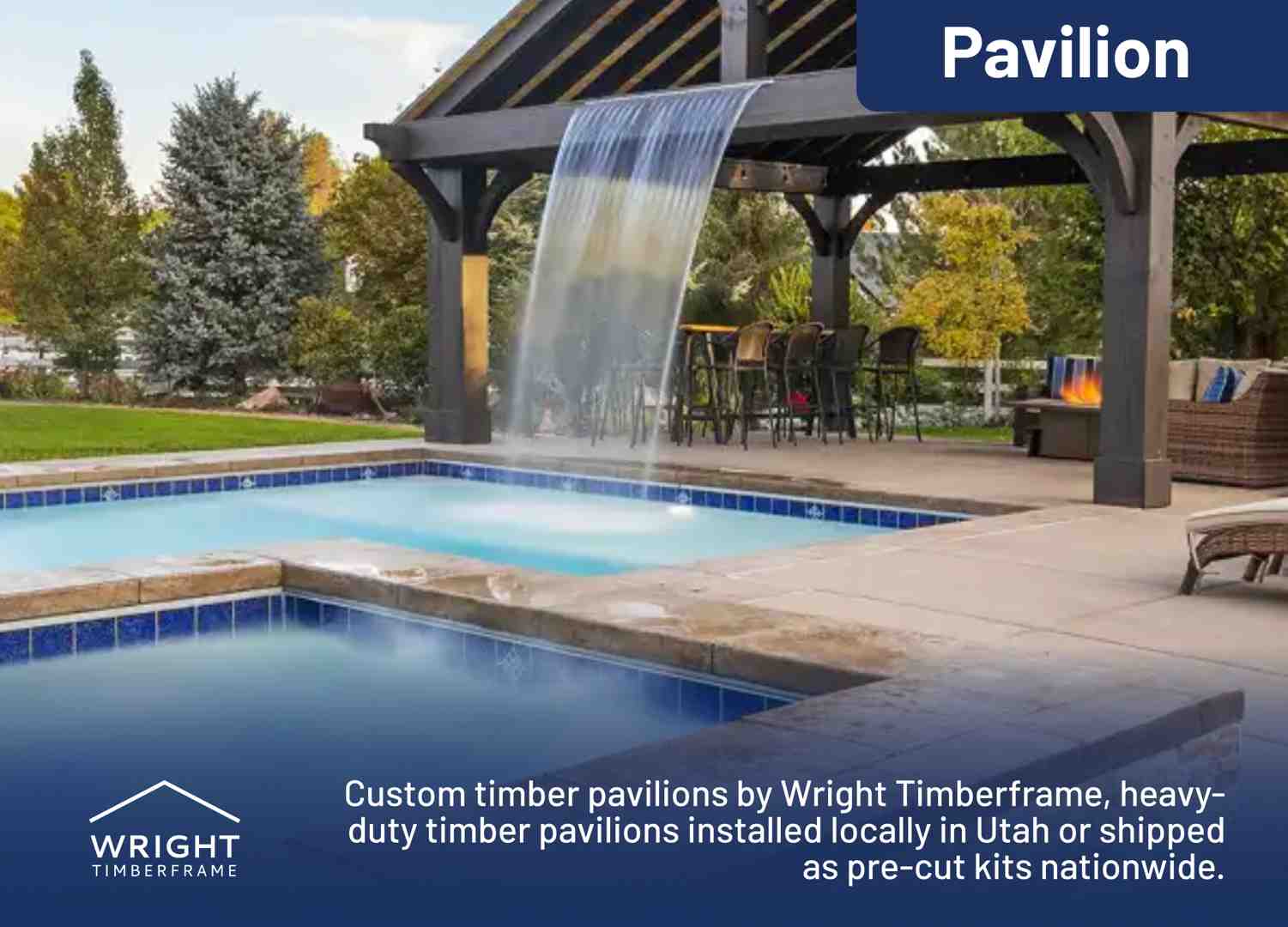
Custom Timber Products: Essential Guide to Premium Outdoor Structures
Custom timber products transform ordinary outdoor spaces into extraordinary living areas through precision craftsmanship and premium materials. We specialize in creating these bespoke wooden structures that perfectly match your property’s unique requirements and aesthetic vision.
In this comprehensive guide, you’ll discover:
- The full range of custom timber structures available for residential and commercial properties
- How traditional joinery techniques create superior strength and longevity
- The full range of custom timber structures available for residential and commercial properties
- How traditional joinery techniques create superior strength and longevity
- Material selection criteria for different climates and applications
- The complete process from initial design to final installation
- Cost factors and value considerations for custom versus standard options
- Maintenance requirements and long-term durability expectations
We bring extensive experience in traditional timber framing to every project. Our focus on mortise-and-tenon joinery represents centuries of proven construction methodology. This time-tested approach creates structures that withstand decades of weather exposure while maintaining their structural integrity and visual appeal.
The selection of appropriate timber species forms the foundation of any successful project. Douglas Fir provides exceptional load-bearing capacity for structural applications. Western Red Cedar offers natural resistance to moisture, decay, and insect damage.
Each timber component undergoes precise milling to exact specifications. We pre-cut, pre-drill, and pre-fit every piece in our workshop before shipping. This meticulous preparation ensures smooth assembly and perfect alignment at your site.
Understanding Custom Timber Products and Their Applications
The versatility of custom timber products extends far beyond simple backyard structures. We create everything from intimate garden pergolas to expansive commercial pavilions. Each project begins with understanding your specific needs and translating them into engineered solutions.
Types of Structures and Their Uses
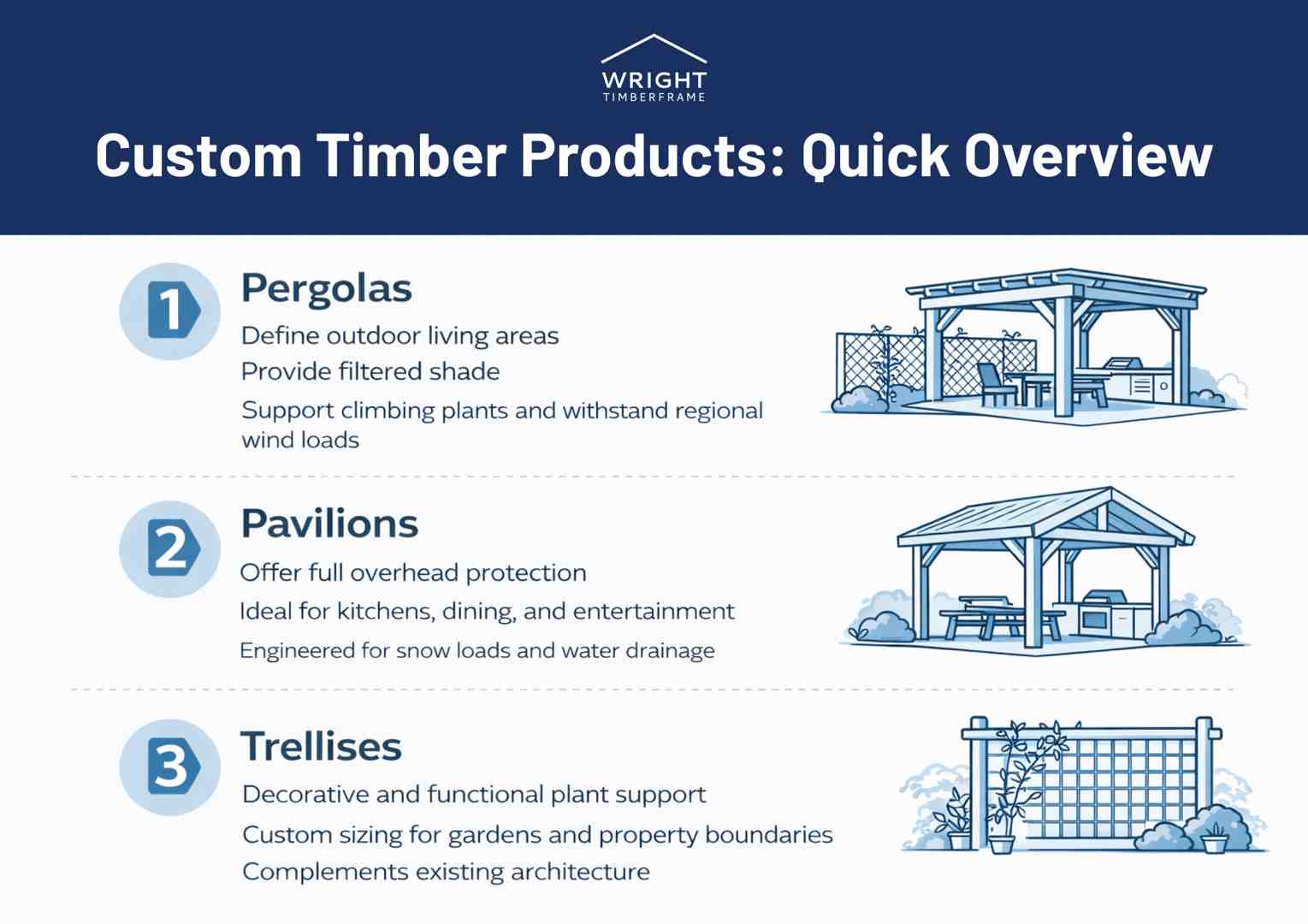
Pergolas
Pergolas are open-air timber structures designed to define outdoor living spaces while providing partial shade. Their beam-and-rafter construction creates a visual framework that separates seating or dining areas from the rest of the yard without fully enclosing the space. This makes pergolas ideal for patios, decks, walkways, and garden transitions.
The open-beam design allows sunlight to filter through while supporting climbing plants such as vines or wisteria, which can create natural shade over time. From a structural standpoint, pergolas must be engineered to handle plant weight, lateral wind loads, and seasonal weather conditions. Proper spacing, beam sizing, and anchoring ensure the structure remains stable and long-lasting.
Pergolas are often chosen when homeowners want shade, architectural interest, and flexibility without blocking views or airflow.
Pavilions
Pavilions are fully roofed timber structures that provide complete overhead protection from sun, rain, and snow. Unlike pergolas, pavilions create a defined outdoor room that can be used throughout the year, making them suitable for outdoor kitchens, dining areas, hot tubs, and entertainment spaces.
Because pavilions include solid roofing systems, their design requires careful structural planning. Roof pitch, drainage paths, snow load capacity, and wind resistance must all be accounted for, particularly in four-season climates. Timber sizing and joinery play a critical role in supporting the additional weight of roofing materials.
Pavilions are often selected when weather protection, long-term usability, and comfort are top priorities.
Trellises
Trellises are lighter timber structures designed primarily to support climbing plants and enhance visual interest within a landscape. They are commonly used along fences, garden paths, walls, or as standalone features to define outdoor areas without creating enclosed spaces.
While trellises appear simple, proper design ensures they can support the weight of mature vines and withstand wind exposure. Material selection, attachment points, and spacing all influence long-term performance. Custom sizing allows trellises to align cleanly with existing architecture, fencing, or garden layouts.
Trellises are ideal for adding structure, privacy, and vertical greenery while maintaining an open and natural feel.
| Feature | Pergola | Pavilion | Trellis |
|---|---|---|---|
| Primary Purpose | Define outdoor spaces with partial shade | Provide full overhead weather protection | Support climbing plants and add visual interest |
| Roof Structure | Open-beam or slatted roof | Solid, fully covered roof | No roof |
| Weather Protection | Limited sun filtering | Protection from sun, rain, and snow | Minimal |
| Typical Uses | Patios, decks, walkways, seating areas | Outdoor kitchens, dining areas, hot tubs | Gardens, fences, pathways, privacy screens |
| Structural Complexity | Moderate | High | Low to moderate |
| Plant Support | Yes, designed for vine and canopy growth | Optional, not typical | Primary function |
| Seasonal Use | Best in mild weather | Suitable for year-round use | Seasonal |
| Design Impact | Architectural accent with open feel | Outdoor room or gathering space | Subtle landscape enhancement |
| Customization Level | High | Very high | Moderate |
Material Selection and Properties
Douglas Fir stands as our primary structural timber due to its exceptional strength-to-weight ratio. This species exhibits minimal warping and checking when properly dried and treated. Its tight grain pattern accepts stains uniformly, allowing for consistent color throughout the structure.
Western Red Cedar contains natural oils that repel insects and resist fungal growth. This inherent protection reduces maintenance requirements significantly. Cedar’s lighter weight simplifies handling during assembly while maintaining adequate structural capacity for most applications.
According to the USDA Forest Service, species like Douglas Fir and Western Red Cedar are widely used in structural applications due to their strength, stability, and natural resistance to decay when properly maintained.
Proper timber grading ensures consistent quality across all components. We select only premium grades that meet stringent appearance and structural standards. Each piece undergoes inspection for defects that could compromise strength or aesthetics.
The Design and Fabrication Process
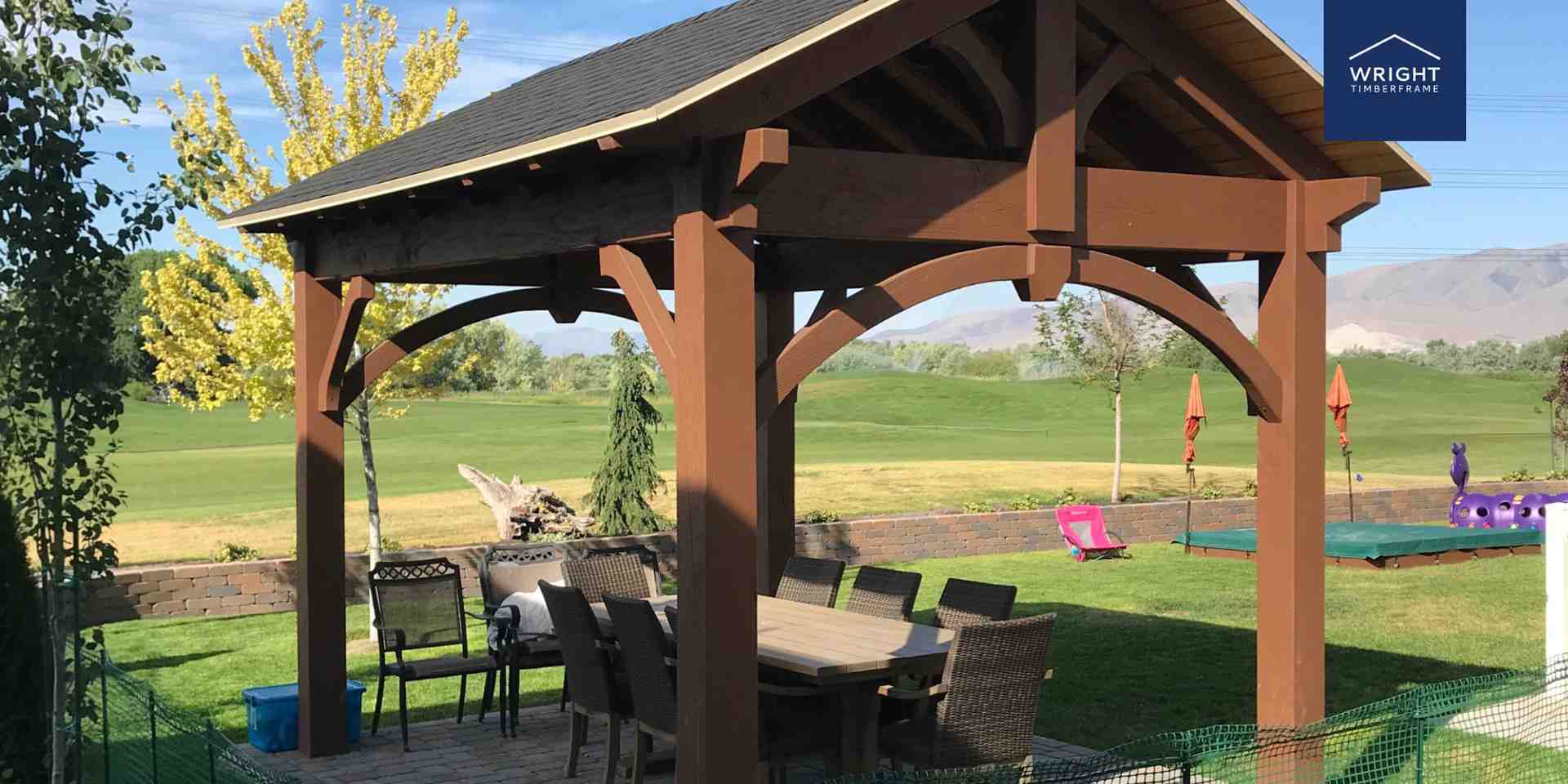
Our design process begins with detailed site analysis and measurement. We evaluate existing structures, grade changes, and utility locations. This information informs the structural design and ensures proper integration with your property.
Engineering calculations determine appropriate beam sizes and connection details. We factor in local building codes, wind speeds, and snow loads. Every design receives thorough review to verify structural adequacy and code compliance. In recent custom pavilion and pergola projects, site-specific engineering and traditional joinery allowed structures to be installed on sloped terrain while meeting local snow-load requirements.
Traditional mortise and tenon joinery forms the backbone of our construction method. These interlocking connections distribute loads evenly without relying on metal fasteners. The result is superior strength and a cleaner aesthetic appearance.
Precision cutting equipment ensures exact dimensions for every component. We pre-drill all fastener locations to prevent splitting during assembly. Each joint receives individual fitting to guarantee proper alignment and tight connections.
Investment Value and Long-Term Benefits
Custom timber structures represent significant property improvements that enhance both functionality and value. Well-designed outdoor spaces extend living areas and create destinations for relaxation and entertainment. These additions often yield returns exceeding their initial investment. Studies consistently show that well-designed outdoor living features increase homeowner enjoyment and improve resale appeal by making properties more functional and visually desirable.
The durability of properly constructed timber frames spans generations with appropriate maintenance. Traditional joinery techniques allow for future repairs without complete replacement. This longevity makes custom timber products economically advantageous over time.
Maintenance requirements remain minimal with proper initial treatment and periodic care. Annual inspections identify minor issues before they become major problems. Simple cleaning and occasional re-staining preserve both appearance and structural integrity.
Frequently Asked Questions About Custom Timber Products
What makes custom timber products worth the investment over pre-made options?
Custom timber products provide exact dimensional fit, superior joinery, and material selection matched to your specific climate and use requirements. We engineer each structure for your site’s unique conditions, ensuring decades of reliable service that pre-made options cannot match.
How do mortise and tenon joints compare to metal brackets for outdoor structures?
Mortise and tenon joints create wood-to-wood connections that expand and contract uniformly with temperature changes. This traditional method eliminates bracket corrosion issues and provides superior load distribution. The interlocking design actually strengthens over time as the wood settles.
What maintenance does a custom timber structure require in varying climates?
Annual cleaning and inspection form the basic maintenance routine for all climates. Dry climates may require additional wood conditioning every 2-3 years. Wet regions benefit from fungicide treatments every 3-5 years to prevent moisture damage.
Can existing structures be modified or expanded with custom timber additions?
We regularly integrate new timber elements with existing structures through careful design and engineering. Matching wood species and finishes ensures visual continuity. Proper attachment methods preserve the integrity of both old and new components.
What factors most significantly impact the cost of custom timber products?
Project size, timber species selection, and joinery complexity represent the primary cost drivers. Site accessibility and local permit requirements also influence final pricing. We provide detailed estimates that break down each cost component for complete transparency.
Making Informed Decisions About Custom Timber Products
Custom timber products offer unmatched quality, durability, and aesthetic appeal for outdoor structures. We’ve explored how proper material selection, traditional joinery techniques, and precision fabrication combine to create exceptional results. These investments enhance property value while providing decades of enjoyment.
The choice between custom and standard options ultimately depends on your specific needs and long-term goals. Custom solutions excel when precise dimensions, superior materials, or unique designs are priorities. Our expertise in engineering and craftsmanship ensures each project meets these exacting standards.
Successful projects begin with thorough planning and clear communication about objectives and constraints. We guide clients through material selection, design decisions, and installation considerations. This collaborative approach produces outcomes that exceed expectations while staying within budget parameters.
For those ready to explore custom timber frame options, our gallery of completed work showcases various styles and applications. Our team stands ready to discuss how custom timber products can transform your outdoor space into something truly exceptional. Call us today!

