
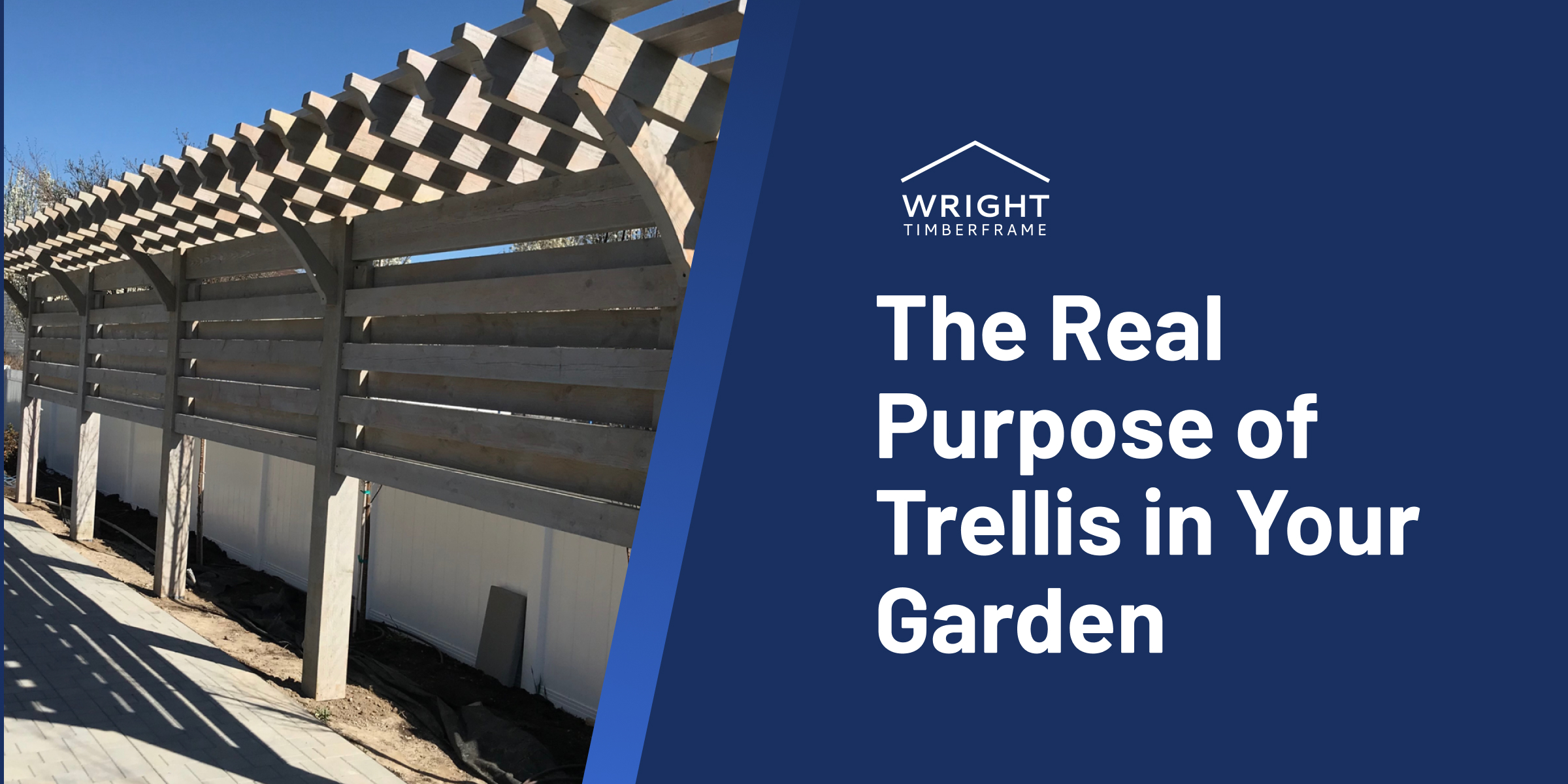
Understanding the Core Purpose of a Trellis
The purpose of trellis is more than just supporting climbing plants. It’s a versatile garden structure that blends essential function with beauty. For centuries, trellises have been a staple in garden design, valued for their ability to transform outdoor spaces and improve both the productivity and beauty of any garden.
At its core, a trellis serves several key purposes:
- Plant Support: It provides a framework for climbing plants, vines, and vegetables to grow vertically.
- Space Maximization: By encouraging upward growth, trellises help gardeners make the most of limited space.
- Improved Plant Health: Vertical growth improves air circulation and sunlight exposure, reducing disease risk.
- Easier Maintenance & Harvesting: Elevating plants simplifies watering, pruning, and picking produce.
- Aesthetic Improvement: Trellises add vertical interest, define garden areas, and provide privacy.
Understanding the dual role of a trellis is key to creating a thriving garden, whether it’s a small urban patch or a large landscape. It’s a hardworking partner in creating a beautiful and productive outdoor environment.
The Functional Purpose of a Trellis: A Gardener’s Best Friend
The functional benefits of a trellis are where it truly shines. A well-placed trellis makes your plants healthier and your gardening life easier. Historically, as noted in texts like The Book of Garden Furniture, trellises were essential for vine crops. Today, they support everything from vegetables to flowering vines.
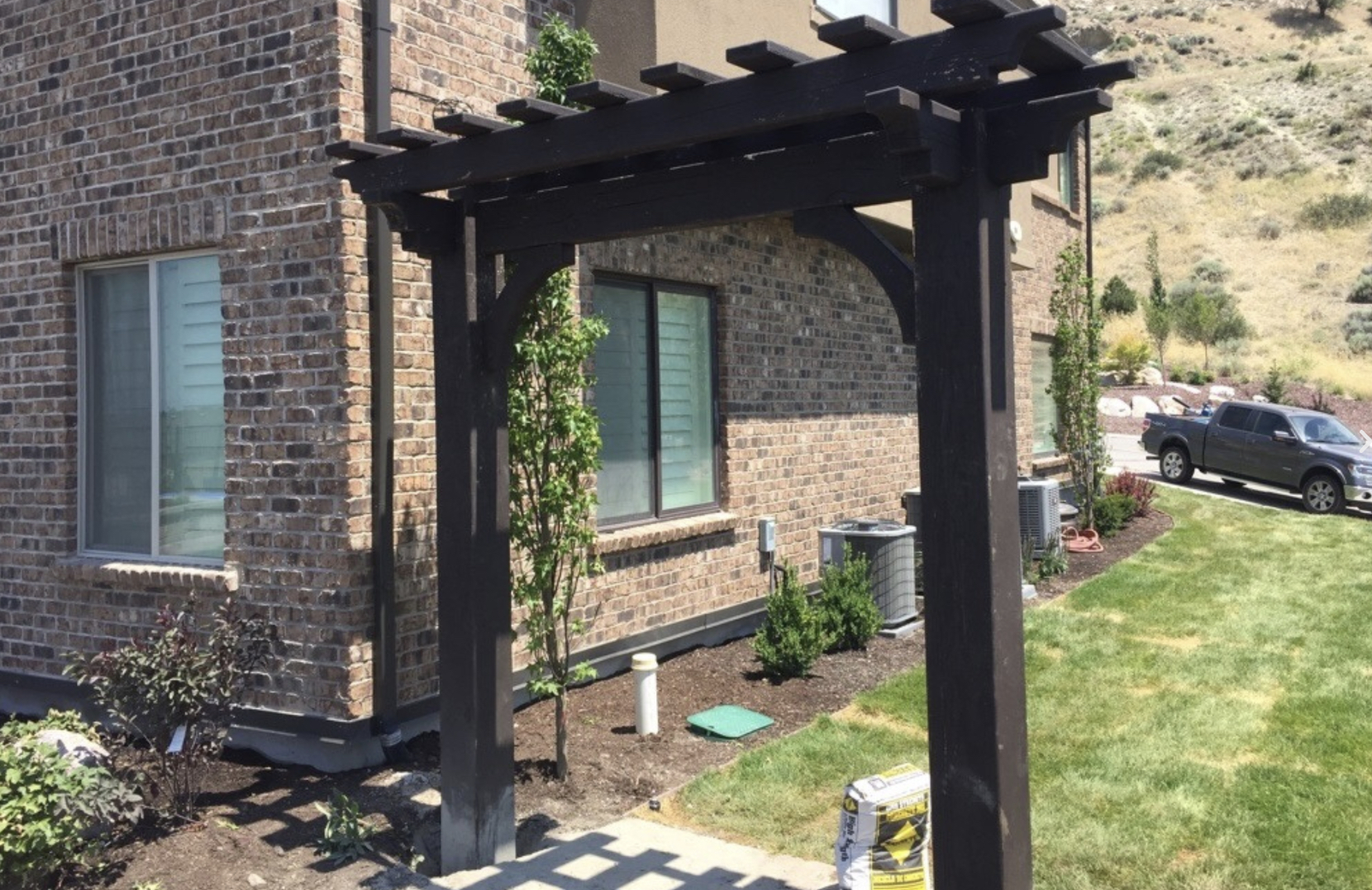
Maximizing Space and Improving Plant Health
For small gardens or patios, vertical gardening with a trellis is a game-changer. It guides sprawling plants like cucumbers upward, changing a tiny footprint into a productive harvest zone.
Vertical growth also provides better air circulation, which is crucial for preventing fungal diseases like powdery mildew. This improved airflow keeps foliage dry, offering excellent mildew prevention. Furthermore, increased sunlight exposure leads to stronger growth and often increased yields.
Simplifying Garden Maintenance and Harvest
A trellis also simplifies garden tasks. Easier harvesting is a major benefit. When produce hangs at a comfortable height, it’s easy to spot and pick. This also keeps fruit off the ground, preventing rot and soil-borne diseases.
Pest deterrence is another bonus, as ground-dwelling pests have a harder time reaching liftd crops. Finally, pollinators have easier access to flowers on trellised plants, which can lead to better pollination and more abundant harvests.
For more insights on maximizing your trellis benefits, explore our guide on The Many Functions of Trellises: From Privacy Screens to Vertical Gardens.
The Aesthetic and Structural Purpose of a Trellis in Landscape Design
Beyond its functional benefits, a trellis serves an aesthetic purpose of trellis in landscape design. It’s an architectural element that can transform a flat garden into a dynamic sanctuary. A well-crafted timber frame trellis adds year-round beauty and structure to the landscape, even in winter. It acts as a garden sculpture, waiting for spring’s new growth.
The Purpose of a Trellis in Creating Visual Appeal
Trellises add much-needed vertical interest to a flat garden. They draw the eye upward, making the space feel larger and more dynamic, and can serve as a focal point. A trellis acts as garden art, breaking up flat spaces and framing views.
The Purpose of a Trellis for Defining Outdoor Spaces
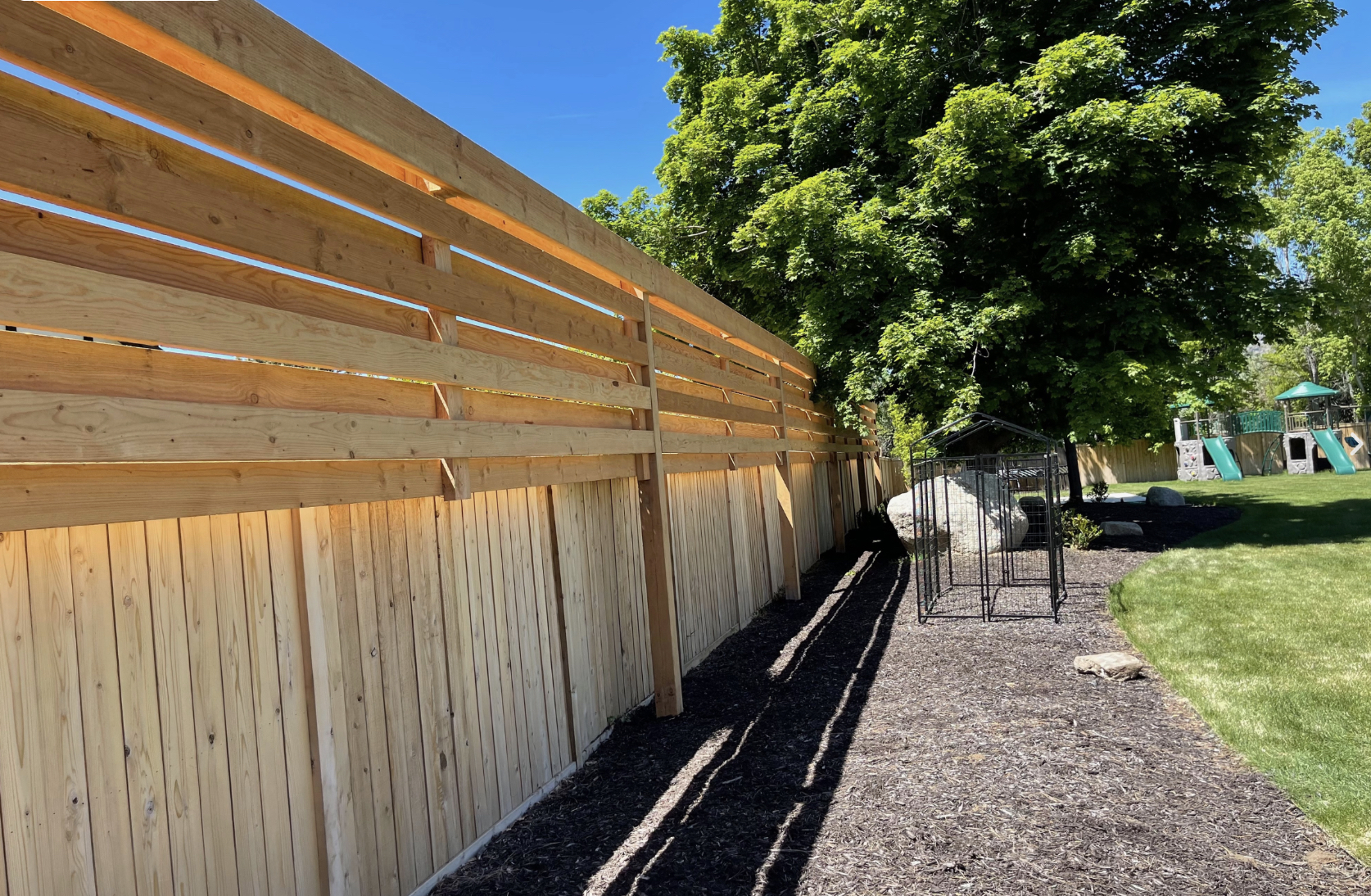
Trellises also have a structural purpose of trellis in defining outdoor areas. They can be used as privacy screens or to hide unsightly elements like utility boxes. Use trellises to create garden rooms, defining areas for reading or dining. They can also act as borders or frame walkways and entrances. The possibilities expand when Combining Trellises with Pergolas: A Match Made in Outdoor Heaven, integrating them as walls within larger structures.
A Guide to Timber Frame Trellis Types, Materials, and Plants
Choosing the right trellis for your plants and garden design is key. While materials like metal and bamboo exist, we specialize in handcrafted timber frame trellises, which offer timeless beauty and exceptional strength. Match your trellis to your plant’s needs and garden’s style. Some plants need more support than others. For ideas, see “12 Great Ways to Use a Trellis in the Garden”.
Common Timber Materials: From Cedar to Douglas Fir
Your timber choice affects longevity, appearance, and upkeep. Wright Timberframe typically works with Douglas fir or Western red cedar and uses traditional joinery methods (mortise & tenon or dovetail). Unlike pressure-treated pine, which is not suited for exposed timbers, Wright selects appearance-grade species that age beautifully with proper finish and maintenance.
- Cedar: Naturally rot-resistant with an attractive grain and warm tones. It’s a mid-to-high-cost option and requires periodic sealing to retain its color.
- Douglas Fir: Strong, dependable, and widely used for structural timber framing. With proper detailing and finishing, Douglas fir performs exceptionally well in exposed applications.
Wright Timberframe structures are more than just trellises, they are built to last for generations. By combining carefully selected timbers with time-tested joinery, Wright ensures exceptional strength, durability, and long-term value. Pre-cut timber frame kits are also available for nationwide delivery.
Popular Styles and the Plants That Love Them
The purpose of trellis also depends on plant climbing habits. Matching the style to the plant is crucial for success.
- Wall-mounted trellises are flat grids installed on walls or fences. They save floor space and are perfect for ivy, climbing roses, clematis, and wisteria, turning blank walls into living art.
- Freestanding trellises stand alone as screens, dividers, or focal points. They suit large climbing roses and vigorous vines like wisteria, but must be strong enough to support them.
- Obelisk trellises are pyramid or cone-shaped, adding vertical interest to beds or containers. They are ideal for sweet peas, morning glories, smaller climbing roses, and cucumbers.
- Fan trellises are wider at the top, like a fan. They are designed for plants that spread as they grow, like clematis and sweet peas, and fit well in corners.
- Arched trellises create romantic entrances or pathways. Climbing roses, wisteria, and jasmine can transform them into fragrant, living tunnels.
- A-frame or ladder trellises have two climbing surfaces in an “A” shape, making them efficient for vegetable gardens. They are great for cucumbers, pole beans, peas, and small squash.
At Wright Timberframe, we craft a variety of Trellises designed to complement your landscape while supporting your plant choices perfectly.
Trellis vs. Arbor vs. Pergola: What’s the Difference?
Ever wondered about the difference between a trellis, an arbor, and a pergola? People often use these terms interchangeably, but each has a unique role. Understanding them helps you choose the right structure for your garden. Let’s clarify the distinct purpose of trellis and its cousins.
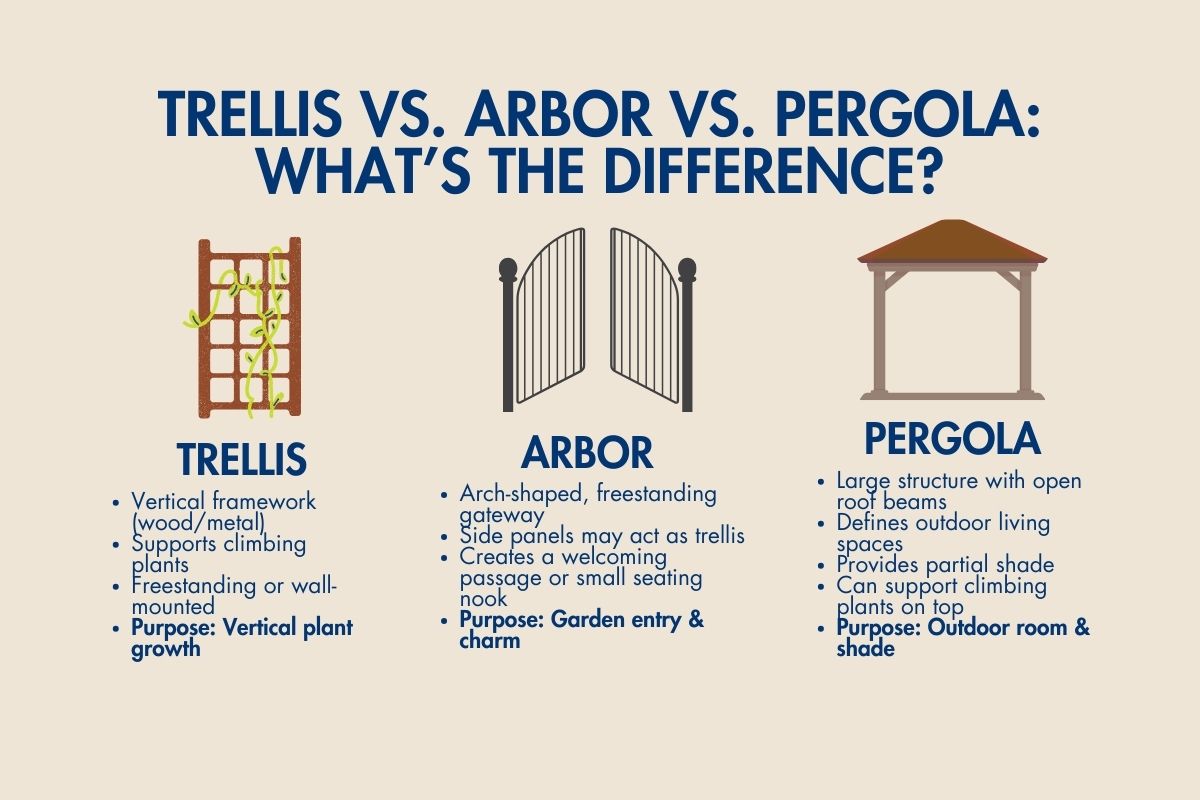
A trellis is a framework, usually of wood or metal, designed to support climbing plants. It’s typically a vertical structure that encourages upward growth, saving space. A trellis can be freestanding or attached to a wall. Its core purpose of trellis is to support plants vertically.
An arbor is a freestanding structure that serves as an entryway or a small, shaded seating area. It’s often arch-shaped with two side panels, which can be trellis-like to support plants. Its main function is to create a welcoming passage or transition point in a garden.
A pergola is a larger outdoor structure with an open roof of cross-beams supported by posts. Unlike an arbor’s gateway function, a pergola is built to define an outdoor living area, provide partial shade, or connect different zones. Climbing plants can cover the roof for more shade, but the structure itself is the main feature. Learn more in our guide on What is a Pergola Trellis? How to Choose the Right One for Your Yard.
In short: a trellis provides vertical plant support. An arbor is a gateway. A pergola is an outdoor room. A trellis can be part of an arbor or pergola, but its main purpose of trellis is always to support plant growth.

Frequently Asked Questions about the Purpose of Trellises
Adding a timber frame trellis to your garden can bring up a few practical questions. Here are answers to some common ones to help you succeed.
How do you attach a plant to a trellis?
Some plants, like peas and cucumbers, have tendrils and will climb on their own with a little guidance. Others, like climbing roses or wisteria, need more help. Gently weave their stems through the trellis or loosely secure them with soft plant ties or garden twine. Be careful not to tie them too tightly, as this can damage the stem as it grows. Over time, their stems will strengthen and support themselves.
How do you install a trellis for stability?
Stability is crucial, especially for heavy vines or in windy locations. For freestanding trellises, bury the posts at least 24 inches deep for a strong foundation. For taller or wider designs, or in windy areas, consider going deeper or using concrete. For wall-mounted trellises, fasten them securely to the wall or fence. Use spacers to leave a few inches between the trellis and the wall for air circulation and stem growth. Always ensure your structure is strong enough for the mature weight of the plant, or it defeats the purpose of trellis!
Can you build your own trellis?
Yes, building your own trellis is a rewarding DIY project that allows for full customization.
- Timber: This is our favorite material for its natural beauty and durability. You can create various designs, and we offer pre-cut kits nationwide to simplify the process.
- Wood Lattice: Pre-made lattice panels are a quick and easy option. Simply cut them to size and frame them.
- Upcycled Materials: Get creative by repurposing items like old ladders, headboards, or sturdy branches into unique trellises.
The goal is to create a sturdy frame with a climbing surface and install it securely. The structure must be strong enough to support your plants for years.
Unlocking the Purpose of Trellis for a Thriving Garden
As we’ve seen, the purpose of trellis is multifaceted. It blends beauty and function, making it a key element of smart garden design. Trellises maximize space, promote plant health through better air and sun exposure, and simplify harvesting. They add year-round beauty, making them a gardener’s secret weapon.
At Wright Timberframe, we handcraft outdoor structures in Utah that are built to last. Our timber frame trellises use traditional joinery and premium timbers to meet your garden’s practical needs while lifting the look of your outdoor space. Our trellises are investments designed to bring joy and beauty for generations.
Whether you dream of a vertical vegetable patch, a private nook, or a stunning focal point, a well-chosen trellis can make it happen. It’s a foundation for growth, beauty, and happy garden moments.
Ready to see how we can help your garden reach new heights? We invite you to Explore our custom timber frame pergolas and trellises today!