
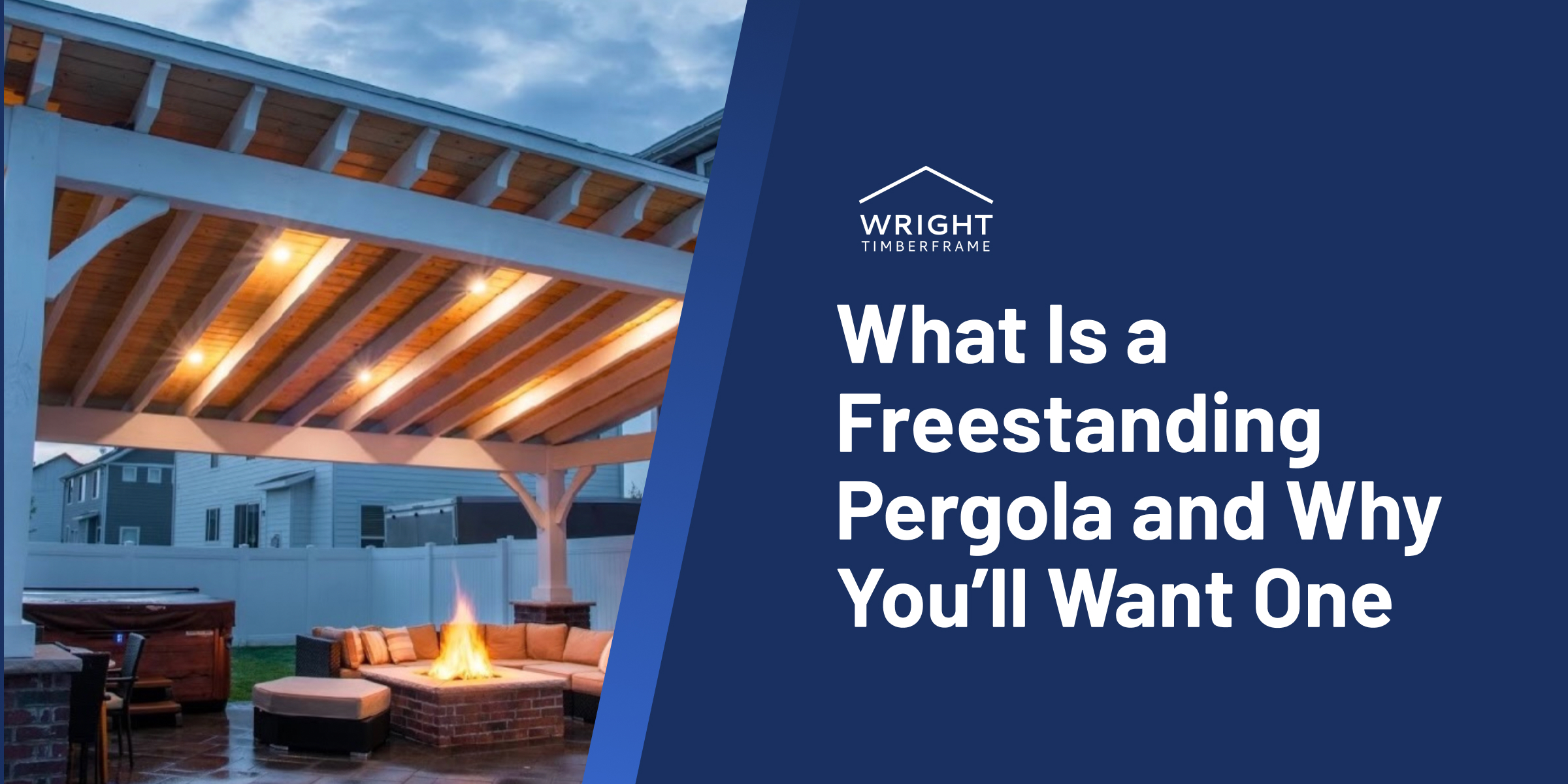
Understanding What is a Freestanding Pergola
What is a freestanding pergola? It’s an independent outdoor structure that stands on its own four or more posts, completely unattached to your house. This self-supporting design is its superpower, giving you the freedom to place it anywhere you can imagine – poolside, in a garden, or as a secluded backyard retreat. It becomes an architectural focal point and a destination in your landscape.
Unlike attached pergolas, which are tied to your home, a freestanding model creates a distinct outdoor room wherever you need one. It’s perfect for defining separate zones in your yard, adding architectural interest, or creating a dedicated space for entertaining that feels connected to your landscape but separate from the house.
At Wright Timberframe, we’ve spent years helping homeowners across Utah understand what is a freestanding pergola and how it can transform their outdoor living. With deep experience in traditional timber framing, we’ve seen how a well-crafted pergola can completely change how a family enjoys their outdoor space, creating a cherished gathering spot built to last for generations.

What is a Freestanding Pergola and How Does It Transform Your Outdoor Space?
What is a freestanding pergola? It’s your ticket to creating the perfect outdoor room exactly where you want it. This independent structure stands on its own four (or more) posts, completely self-supporting and free from any attachment to your house. This gives you ultimate flexibility, you aren’t limited by your home’s location or orientation.
While an attached pergola is bound to your home, a freestanding pergola lets you chase the perfect spot, whether it’s a corner that catches the morning sun or a location that frames a stunning view. Its vertical posts anchor securely into the ground, supporting beams and rafters that create the classic open-lattice roof. The result is partial shade that filters sunlight into lovely dappled patterns while maintaining an open, airy feel.
A freestanding pergola transforms your yard by creating distinct outdoor rooms. It becomes a destination, a shaded retreat for coffee, a dining space for summer dinners, or a cozy spot to relax. The dimensions are entirely up to you, not dictated by your home’s footprint. This flexibility is what makes them so powerful for creating outdoor living spaces that fit your lifestyle. To learn more about your options, our guide on What is a Pergola & Trellis? is a great resource.
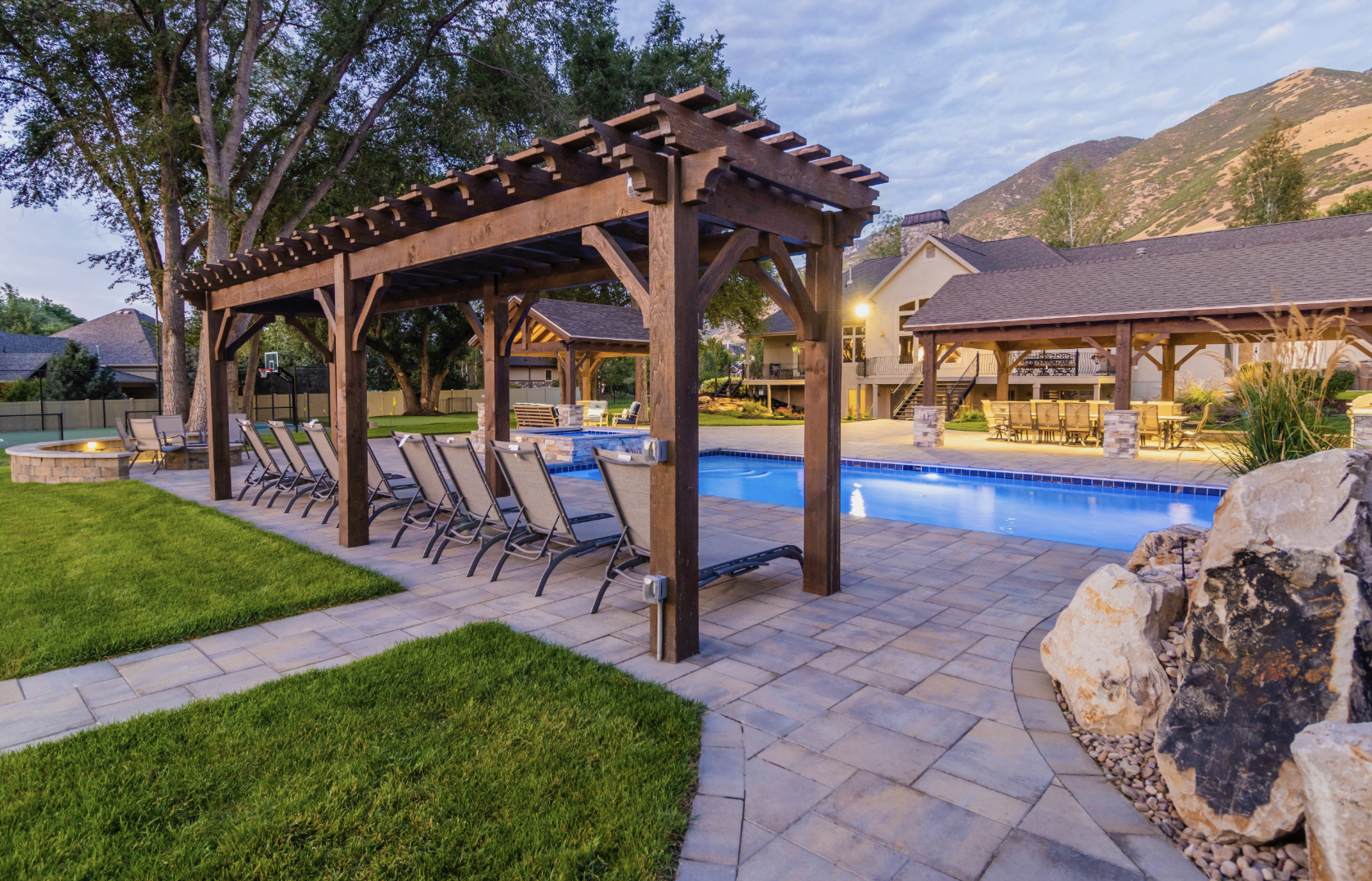
Freestanding Pergola vs. Attached Pergola: Which is Right for You?
Choosing between a freestanding and an attached pergola comes down to how you envision using your space. Both are beautiful, but they serve different functions.
Attached pergolas are a natural choice for seamlessly extending your indoor living space outdoors. They use your home for support on one side, creating a perfect transition zone between inside and out. They feel like a direct extension of your home.
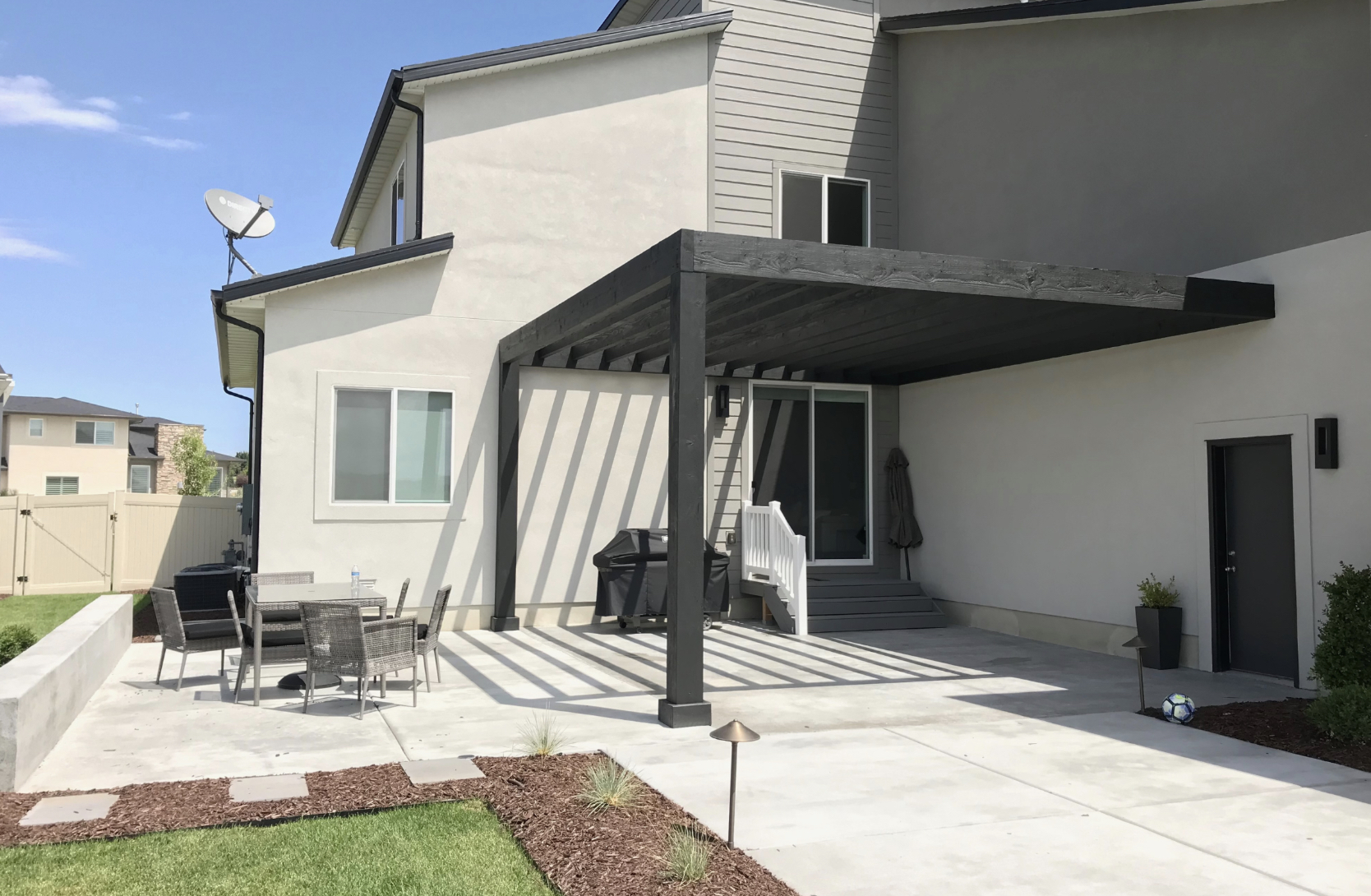
Freestanding pergolas shine by offering complete creative freedom. You aren’t limited by your home’s architecture or roofline. Want a poolside retreat or a garden centerpiece? A freestanding design makes it possible. Their structural independence also simplifies installation, as there’s no need to attach to your home’s siding or worry about flashing and seals.
| Feature | Freestanding Pergola | Attached Pergola |
|---|---|---|
| Placement Flexibility | Unlimited, anywhere on your property | Limited to existing building walls |
| Structural Independence | Completely self-supporting with 4+ posts | Relies on house for one side support |
| Installation Complexity | Simpler, no building attachment needed | Requires careful sealing and flashing |
| Aesthetic Role | Creates distinct outdoor destinations | Extends your home’s living space |
Pergolas, Pavilions, and Trellises: Understanding the Differences
It’s common to confuse these outdoor structures, but they each serve a distinct purpose.
Pergola: Defined by its open-roof design with rafters that create partial, dappled shade. It’s perfect for defining a space while maintaining an airy feel and is ideal for climbing plants.
Pavilion: Features a solid roof for complete shelter from sun and rain. Think of it as a true outdoor room, perfect for kitchens or dining areas where you need reliable weather protection.
Trellis: A lighter structure designed primarily to support climbing plants and add vertical interest to a garden. Its main job is to help plants grow, though it can offer some screening.
These structures also work beautifully together. You might pair a main pergola with trellises for privacy or plant support. Our Pergola vs. Trellis guide explores these combinations in more detail.
The Unique Advantages of a Freestanding Timber Frame Pergola
When you’re wondering what is a freestanding pergola and why it might be perfect for you, the answer lies in the incredible freedom it offers. Unlike attached models, freestanding pergolas provide complete design and placement flexibility.
Your home’s architecture doesn’t have to dictate your outdoor dreams. You can choose custom shapes, sizes, and orientations that perfectly complement your landscape. This independence allows you to create outdoor rooms anywhere on your property, a cozy coffee nook in the garden, a spacious dining area with sunset views, or a peaceful meditation spot. A freestanding pergola defines these spaces with purpose, effectively expanding your usable living area.
As an architectural focal point, a well-crafted timber frame pergola becomes a statement piece that invites you outdoors. Thebenefits of a pergola also include a significant boost to your property value, as today’s buyers seek thoughtfully designed outdoor living spaces. A durable timber structure signals quality and lasting value.
Furthermore, because it stands independently, there’s no impact on your home’s structure. This gives homeowners peace of mind, avoiding potential moisture issues or structural complications that can come with attached structures. At Wright Timberframe, we use traditional mortise and tenon joinery and premium timbers to create structures that stand strong for generations.
Ultimate Placement and Design Flexibility
The beauty of understanding what is a freestanding pergola is realizing you can place it anywhere. This is the fundamental advantage that changes how you use your outdoor space.
Imagine a poolside retreat for escaping the afternoon sun, turning your pool into a resort-like oasis. Or picture a stunning garden centerpiece that frames plantings and provides a shaded bench for quiet contemplation. For cooking enthusiasts, a freestanding pergola makes an incredible outdoor kitchen cover, positioned exactly where it makes the most sense for flow and entertaining.
Since you’re not limited by your home’s architecture, you can explore custom shapes and sizes that would be impossible with an attached structure, L-shapes that define multiple zones, curved designs, or expansive rectangular structures that create true outdoor rooms. Our patio pergolas showcase how a freestanding design can transform any patio into a defined, comfortable living space.
What is a Freestanding Pergola’s Role in Outdoor Living Design?
Recognizing what is a freestanding pergola means seeing it as a powerful design tool. It helps you write your yard’s story by defining outdoor zones and creating destinations within your landscape. A well-placed pergola draws people in, signaling its purpose and encouraging your family to enjoy the outdoors.
Seamless landscape integration is where timber framing shines. A freestanding pergola can be positioned to frame a gorgeous view, improve garden features, or screen less attractive areas. It becomes a visual anchor that unifies your yard’s elements. We love helping familiestransform their backyard into a paradise with a pergola trellis by considering how each element works together.
The views from both inside and outside your home are also dramatically improved. From your kitchen window, the pergola frames your garden like living art. From outdoors, its presence adds depth and visual interest. Our approach to creating a custom pergola for outdoor living always considers these broader design implications to craft an experience that improves how you live and gather.
Designing Your Ideal Freestanding Pergola: Materials and Customization
Designing a custom freestanding pergola is one of the most exciting parts of the journey. This is why choose a custom pergola over pre-fabricated options you get to make every decision count. From selecting the perfect timber to deciding on integrated lighting and the ideal size, every choice shapes your final structure.
Your pergola can be as simple or as elaborate as you envision, whether it’s a minimalist structure that lets your garden shine or a complete outdoor room with fans and retractable shade. At Wright Timberframe, we love the design phase because it’s where your personality comes through, and we can craft a structure that perfectly fits your lifestyle, built with quality materials and expert craftsmanship.
The Timeless Appeal of Timber
There’s a magic to timber that synthetic materials can’t replicate. When we craft a timber frame pergola, we’re creating a living piece of architecture that ages gracefully.
Our preferred choices are Douglas Fir and Western Red Cedar. Douglas Fir is incredibly strong and stable, with beautiful grain patterns. It’s naturally resistant to warping, meaning your pergola will maintain its clean lines for decades. Western Red Cedar is nature’s preservative, with natural oils that resist rot, decay, and insects. It can be left to weather to a gorgeous silver-grey patina or stained to maintain its warm honey tones.
What truly sets our timber pergolas apart is traditional joinery. Instead of metal brackets, we use time-honored techniques like mortise and tenon and dovetail joints. These hand-cut, interlocking connections are not just stronger, they are works of art that actually get stronger over time. This approach results in a structure with superior strength and a timeless aesthetic that speaks to true craftsmanship.
Custom Features for Function and Style
Once the foundation is set, we can transform your freestanding pergola into a fully functional outdoor living space. Custom features make it perfectly match your lifestyle.
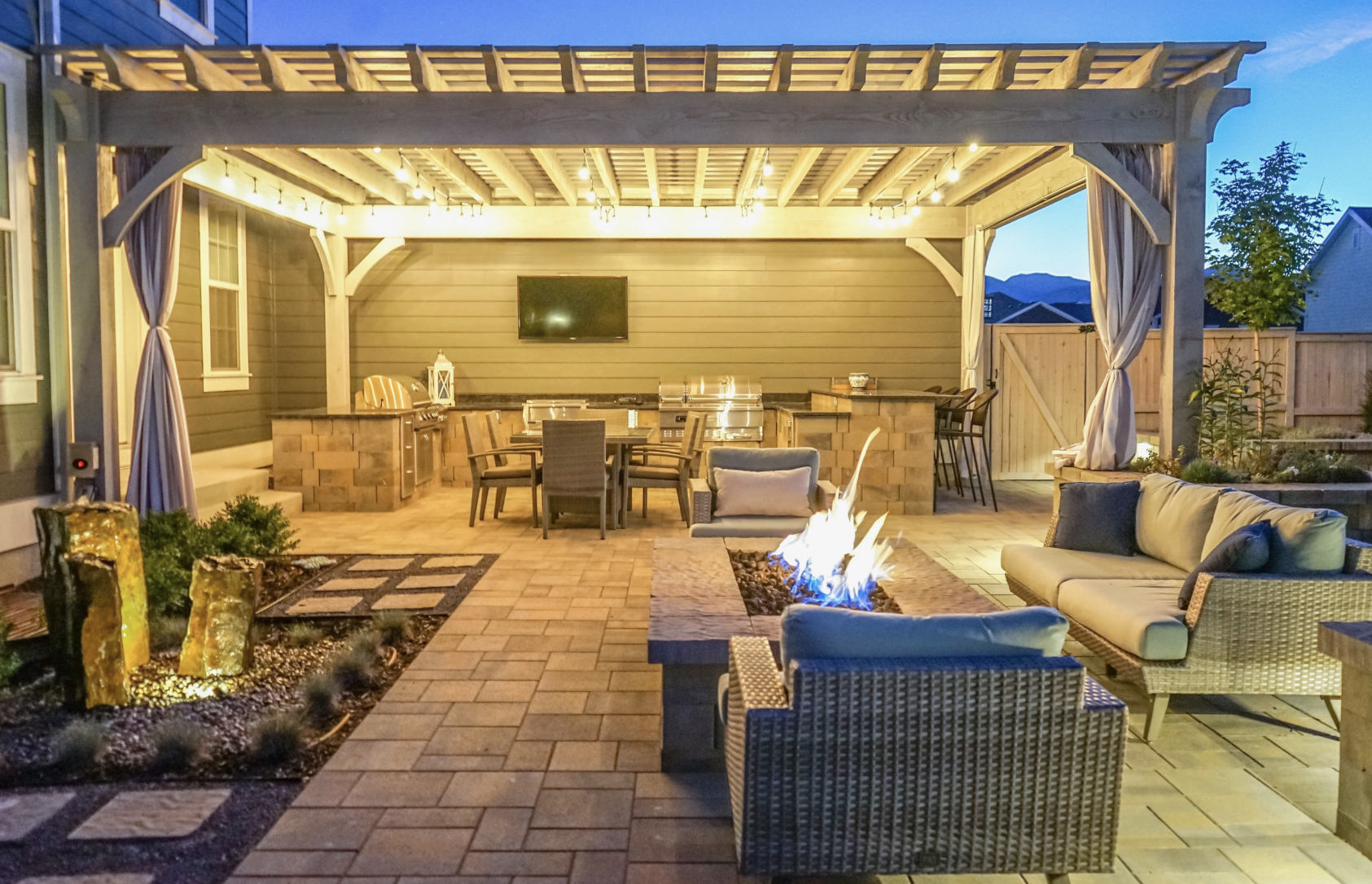
Lighting: Integrated LED strips, recessed lights, or stylish sconces can transform your pergola’s personality after sunset, creating a warm, inviting ambiance.
Climate Control:Ceiling fans provide a comfortable breeze on warm evenings, while built-in heaters can extend your pergola season well into the cooler months.
Privacy:Privacy screens, from fixed timber lattice to retractable fabric panels, give you control over how open or secluded your space feels.
Shade and Greenery: We can design your pergola to support climbing plants, and combining trellises with pergolas creates stunning vertical gardens. For more shade control, options like retractable canopies or adjustable louver systems offer ultimate flexibility.
Planning and Installation: Bringing Your Freestanding Pergola Vision to Life
Thoughtful planning and expert installation are what make a beautiful pergola last for generations. Every detail matters, from understanding the sun’s path across your yard to ensuring a rock-solid foundation.
Site selection is more than just picking a pretty spot. We consider the sun path to ensure optimal shade, assess ground conditions for stability and drainage, and account for existing landscape features like utilities and tree roots. The goal is a pergola that feels like it truly belongs.
Foundation requirements are critical for a freestanding structure. This typically means setting posts in concrete footings, with the depth and size determined by your pergola’s dimensions and local building codes. This ensures your pergola can withstand wind, snow, and time. For more on this, see our pergola safety tips for ensuring a secure structure.
Key Considerations Before Building Your Freestanding Pergola
Before breaking ground, a few key considerations will ensure your project’s success.
Measure Your Space: Accurate measurements are fundamental. Your pergola should feel proportional to your yard, not cramped or isolated. Consider its relationship to pathways, seating areas, and sight lines from your home.
Check Local Building Codes: Codes vary significantly. Here in Utah, our
pergola Utahregulations are generally reasonable, but larger structures often require permits. Check with your local building department about size, setbacks, and height restrictions to avoid costly headaches.Budget for Quality: A freestanding pergola is a long-term investment. Premium timbers and traditional joinery cost more upfront but deliver decades of beauty and stability with less maintenance. It’s an investment in your property and lifestyle that pays off for generations.
Installation and Long-Term Care
Whether you choose a DIY approach or professional installation, proper assembly is key. Our DIYTimber Frame Pergola Kits are designed for the capable homeowner, with pre-cut, labeled pieces and detailed instructions. Many customers find it a memorable family project.
For those who prefer a hands-off approach, hiring a professional ensures flawless execution. Our experienced team handles everything from site prep to final assembly with precision. Anchoring methods are non-negotiable; we use concrete footings or specialized brackets for patios to create a rock-solid foundation.
Long-term care is straightforward. Weatherproofing your timber frame pergola involves regular staining and sealing every few years to protect the wood from UV damage and moisture. An annual inspection and cleaning will keep your timber frame pergola beautiful for generations.
Frequently Asked Questions about What is a Freestanding Pergolas
As homeowners explore what is a freestanding pergola, many common questions arise. After years of helping families create their perfect outdoor sanctuaries, here are the answers to the questions we hear most often.
How do you anchor a freestanding pergola?
Proper anchoring is critical for the safety and longevity of a freestanding pergola. Since it doesn’t lean on a house for support, each post must be rock-solid. The gold standard is setting the posts in concrete footings, typically 2-3 feet deep, depending on your local frost line. This creates an immovable foundation. If you’re installing on an existing concrete patio, we use heavy-duty specialized post brackets that bolt directly to the surface. Cutting corners on anchoring is a safety hazard, so we always insist on proper methods.
Do you need a permit for a freestanding pergola?
Permit requirements vary dramatically by city and state. While smaller pergolas might not require a permit, larger structures, especially those over a certain height or with permanent footings like the ones we build, often do. There may also be rules about how close you can build to property lines. The best advice is to call your local building department. A quick phone call upfront can save you from major headaches and ensure your project proceeds smoothly.
How much does a freestanding pergola cost?
A freestanding pergola is an investment in your lifestyle and property value, with costs varying based on several factors. The price can range from a few thousand dollars for a basic kit to $10,000 or more for a large, custom structure.
Key factors influencing cost include:
- Materials: Premium timbers like Douglas Fir and Western Red Cedar have a higher upfront cost but offer superior durability and beauty compared to vinyl or aluminum.
- Size and Complexity: A larger or more intricate design requires more material and labor.
- Custom Features: Integrated lighting, fans, heaters, and retractable canopies will add to the investment.
- Installation: Our DIY kits offer great value, while professional installation adds to the cost but guarantees expert execution.
We see our handcrafted structures as heirloom pieces built to last for generations. While a custom timber frame pergola is a premium choice, its longevity and the boost to your property value provide clear long-term value.
Final Thoughts: Understanding What is a Freestanding Pergola
We’ve explored what is a freestanding pergola and how these remarkable structures can transform your outdoor living experience. Their greatest assets are versatility and functionality, giving you the freedom to create a poolside retreat, a garden centerpiece, or an outdoor dining room exactly where you want it.
A well-designed freestanding pergola becomes the heart of your outdoor space, defining zones and encouraging you to spend more quality time outside. The aesthetic impact of a handcrafted timber frame pergola is undeniable, adding warmth, character, and timeless beauty that improves your property’s value.
Choosing Wright Timberframe is an investment in your lifestyle. Our commitment to traditional mortise and tenon joinery and premium timbers ensures your pergola will stand strong and beautiful for decades. The value of expert craftsmanship is evident in every hand-cut joint and carefully selected timber. We don’t just build outdoor structures; we create legacy pieces where family memories are made.
Ready to create your own outdoor sanctuary? Explore our freestanding pergolas and find the endless possibilities. Let us help you transform an underused part of your yard into something truly extraordinary. Your dream outdoor living space is just a conversation away.Call us!

